Anxiety and the Open Door: Getting Out When Going Out Feels Hard
A compassionate, non-preachy look at why leaving home is genuinely difficult for so many people — and what actually helps.
My family knows that I get growly when I feel the afternoon start to fade into evening. There’s something about the transition from day to night that rubs me the wrong way. It brings up every ounce of regret of what I should have done that day, of feeling like I wasted time, or chose how to spend my hours poorly. Once night hits I can settle back down with something cozy, but there is a particular kind of afternoon that I know very well - both as a therapist and as a human.
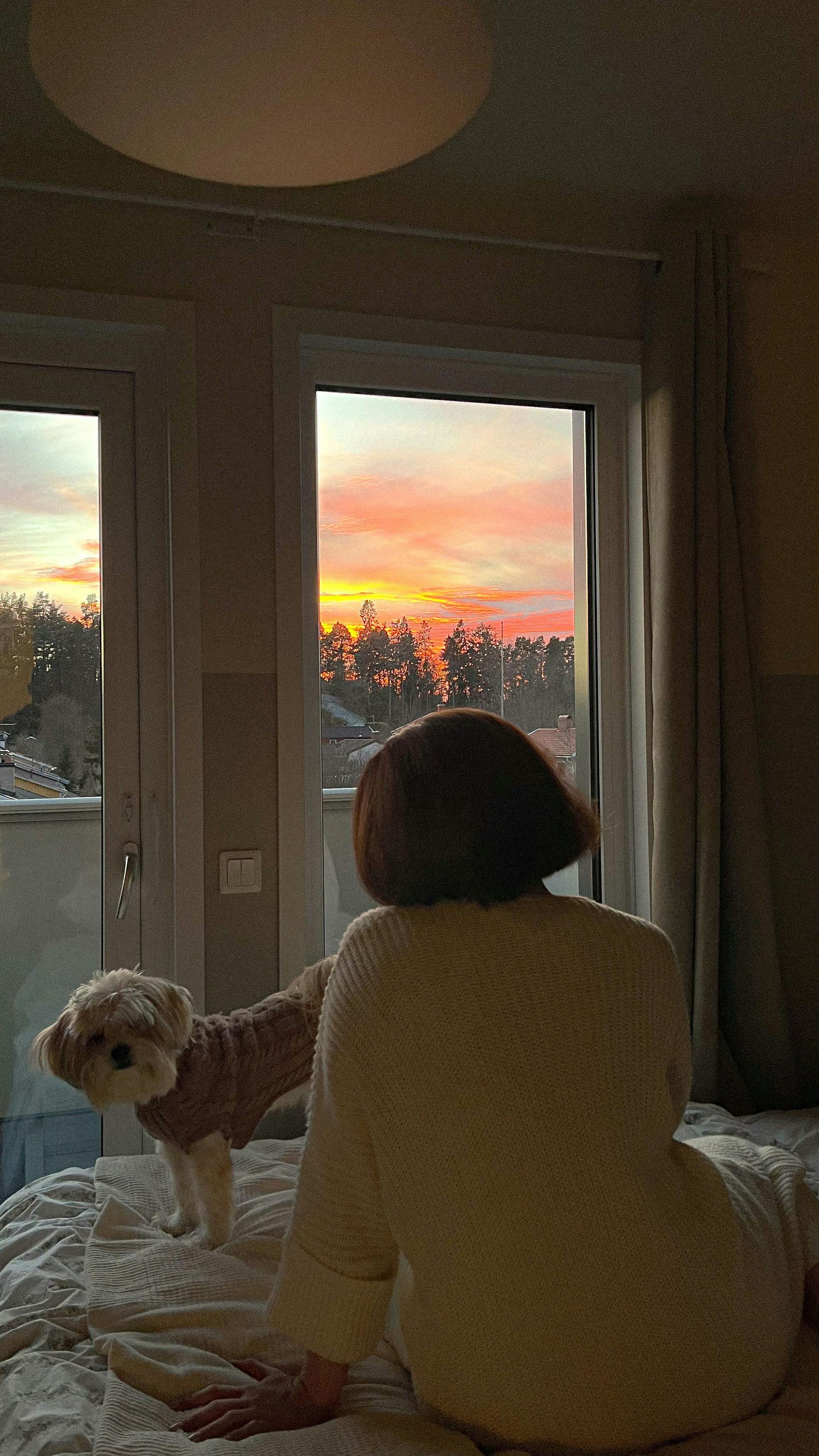
It’s those days where I had every intention of going outside, where I might have even written it on my calendar, set alerts on my phone… had a whole world out there to explore. And then, somehow, it’s 5pm and the light starts to take on that “golden hour” glow and I never…quite…made it out the door. There's a particular kind of afternoon I know well as a therapist and as a human. You had every intention of going outside. Maybe you even wrote it in your planner. And then, somehow, it's 5pm, the light is going golden through the window, and you never quite made it to the door.

It's not laziness. It's real.
Anxiety has a remarkable talent for making the familiar feel threatening and the unfamiliar feel impossible. The nervous system doesn't distinguish between "there's a lion in the grass" and, "I have to make small talk at the coffee shop." Both can feel equally dangerous because to an anxious brain they both feel like a threat to the safe status quo. This means that your body responds with the same ancient, protective response: stay put. Stay safe.
For people navigating generalized anxiety, social anxiety, agoraphobia, depression, chronic pain, or even just sustained high stress, getting out the door isn't as simple as "just deciding to do it." The cognitive overhead can be enormous. What if something goes wrong? What will I do if I feel overwhelmed? What if I run into someone? What if it's too loud, too crowded, too unpredictable? Most of us are running a cost-benefit-analysis of the risk to reward likelihood of leaving our homes without even realizing we are doing it.
The nervous system doesn't know the difference between danger and discomfort. It's not being dramatic. It's doing its job, perhaps a bit too enthusiastically.
Understanding this isn't about giving yourself a permanent pass from the world. It's about starting from a place of self-compassion rather than self-criticism. Because beating yourself up for not going out rarely results in going out. It just piles on to the bad feelings, and results in you feeling worse, which makes going out harder. Viscous, viscous cycle.
How anxiety quietly shrinks the world
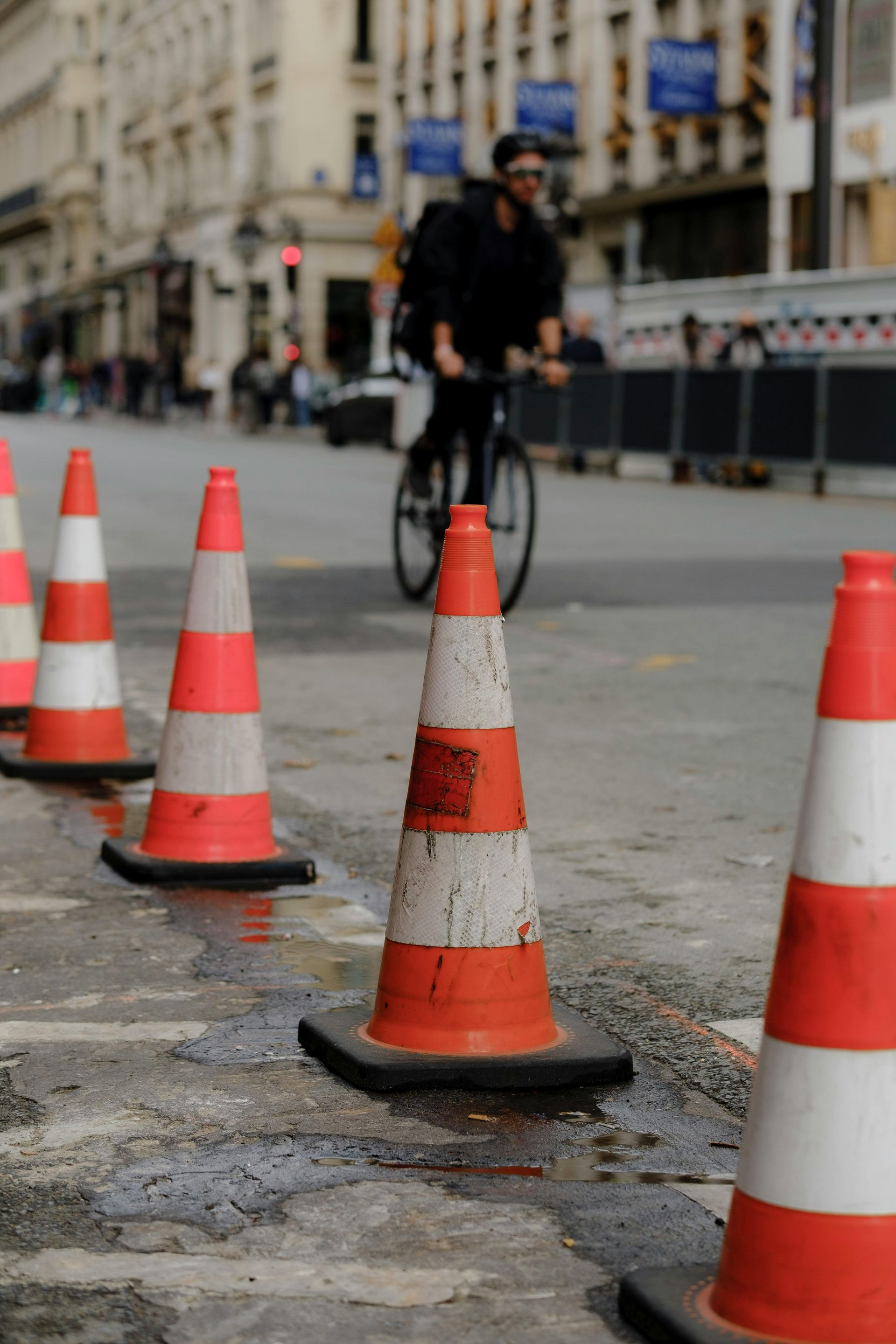
Here's a pattern I see often in my practice: someone has a difficult experience (maybe a panic attack at a crowded grocery store, or an overwhelming social event) and they reasonably decide to avoid that situation next time. Makes sense, right? When you touch the hot stove and it hurts, you learn not to touch the stove again. The avoidance works. They feel relief. The nervous system learns: avoidance = safety.
Over time, the "safe zone" gets smaller. First it was just that one store. Then grocery stores in general. Then busy public places. Then anywhere unfamiliar. The world doesn't actually become more dangerous, but the felt sense of it does.
Psychologists call this the "anxiety cycle" or "avoidance trap," and it's not a personal failing. It's the brain doing exactly what it's designed to do, just calibrated to the wrong settings. Avoidance provides immediate relief and long-term constriction. The circle gets tighter and tighter.
Therapist note
Research consistently shows that avoidance maintains anxiety, while gradual, supported exposure reduces it. The goal isn't to white-knuckle through fear. It's to find low-stakes ways to gently expand what feels possible.
Acting before you feel ready: the case for behavioral activation
One of the most counterintuitive (and most evidence-based) approaches to anxiety and depression is something called behavioral activation. The basic premise is deceptively simple: don't wait to feel like doing something before you do it. The feeling often follows the action, not the other way around.
This isn't "fake it till you make it." It's closer to understanding that motivation is not a prerequisite for action, it's often a reward for it. The walk you dread becomes the walk you're glad you took. The outing that felt impossible is, afterward, proof that you're more capable than anxiety told you. The activity doesn’t even need to be enjoyable to be rewarding. Just the sheer fact that you Did The Thing can be satisfying or gratifying, it can be proof that you can step out of your comfort zone!
But behavioral activation works best when it's structured as a gentle progression, not a dramatic leap. "I should go to the farmers market on Saturday" is a much larger ask than "I'll step outside for five minutes and look at the sky." Both count. Both matter.
Why playfulness is the secret ingredient
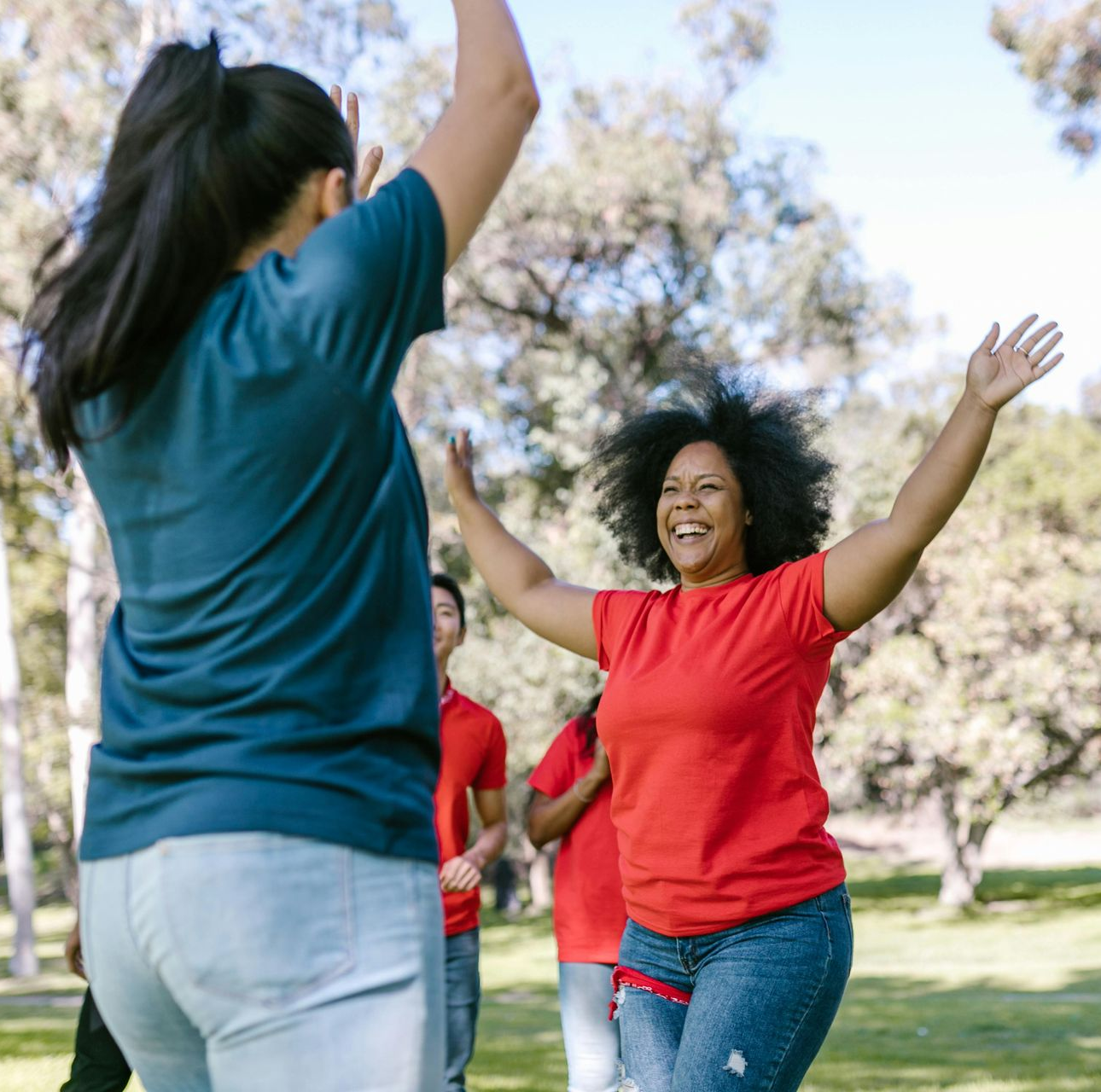
Here's something the clinical literature doesn't say often enough: play reduces the stakes. When something is framed as a game, an exploration, a small adventure, the brain processes it differently than a Test I Must Pass. Anxiety thrives on high-stakes thinking. Curiosity, genuine, open, child-like curiosity, is anxiety's natural antidote.
When we approach the outside world as explorers rather than performers, something shifts. We're not out here to prove we can do it. We're out here to notice what a cloud looks like today, to hear what birds are arguing about in that tree, to find the strangest thing on this particular block.
Curiosity and anxiety cannot occupy the same moment. When we get genuinely interested in something outside ourselves, the threat alarm quiets.
This is why so many therapeutic approaches (from mindfulness-based stress reduction to nature therapy) emphasize sensory engagement with the present environment. It's not just poetic. It's neurological. Noticing brings you out of the anxious future and into the actual now.
Venture Forth: a gentle nudge, not a challenge
When I created the Venture Forth Mail Club, I was thinking about exactly this. Not about people who need to be pushed to "do more,” but about people who want to reconnect with the world outside and need a low-stakes, playful, and supportive way to help them do it.
Each month, subscribers receive a beautifully curated envelope (a destination card, an object card, and a quest card - plus a play list to listen to while you adventure, a supportive letter from yours truly, and other little bits of playfulness). It's not a challenge. It's not a to-do list. It's closer to a friend saying: "Hey, want to come look at this interesting thing with me?"
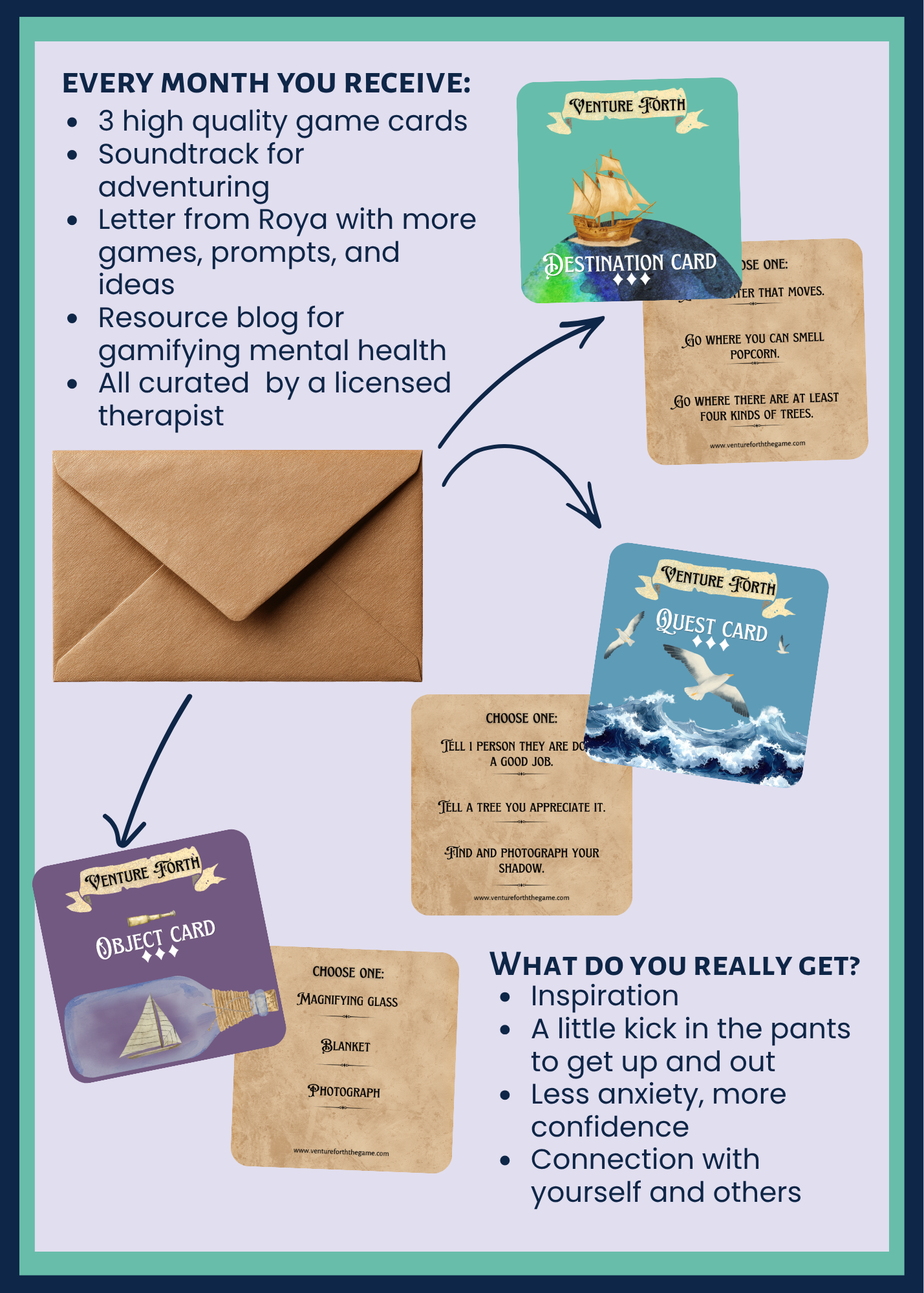
The research on exposure therapy tells us that gradual, repeated, low-stakes contact with avoided situations reduces anxiety over time. Venture Forth is designed with this in mind; not as a clinical tool, but as a warm, human invitation to practice being in the world, a little bit at a time.
Think of it as behavioral activation with good design. A reason to open the door that feels like delight rather than obligation.
A closing note
If leaving home is hard for you right now, I want you to know: you're not broken. You're not weak. You're a person with a nervous system that learned, at some point, that the world wasn't entirely safe and is doing its best to protect you.
The path back to the world doesn't have to be dramatic. It can be as small as opening a window. Standing on the front step. Walking to the end of the block. Finding one thing to be curious about.
The door is open. There's no rush. But whenever you're ready… I have a game to help you get out into the world that’s been waiting for you.
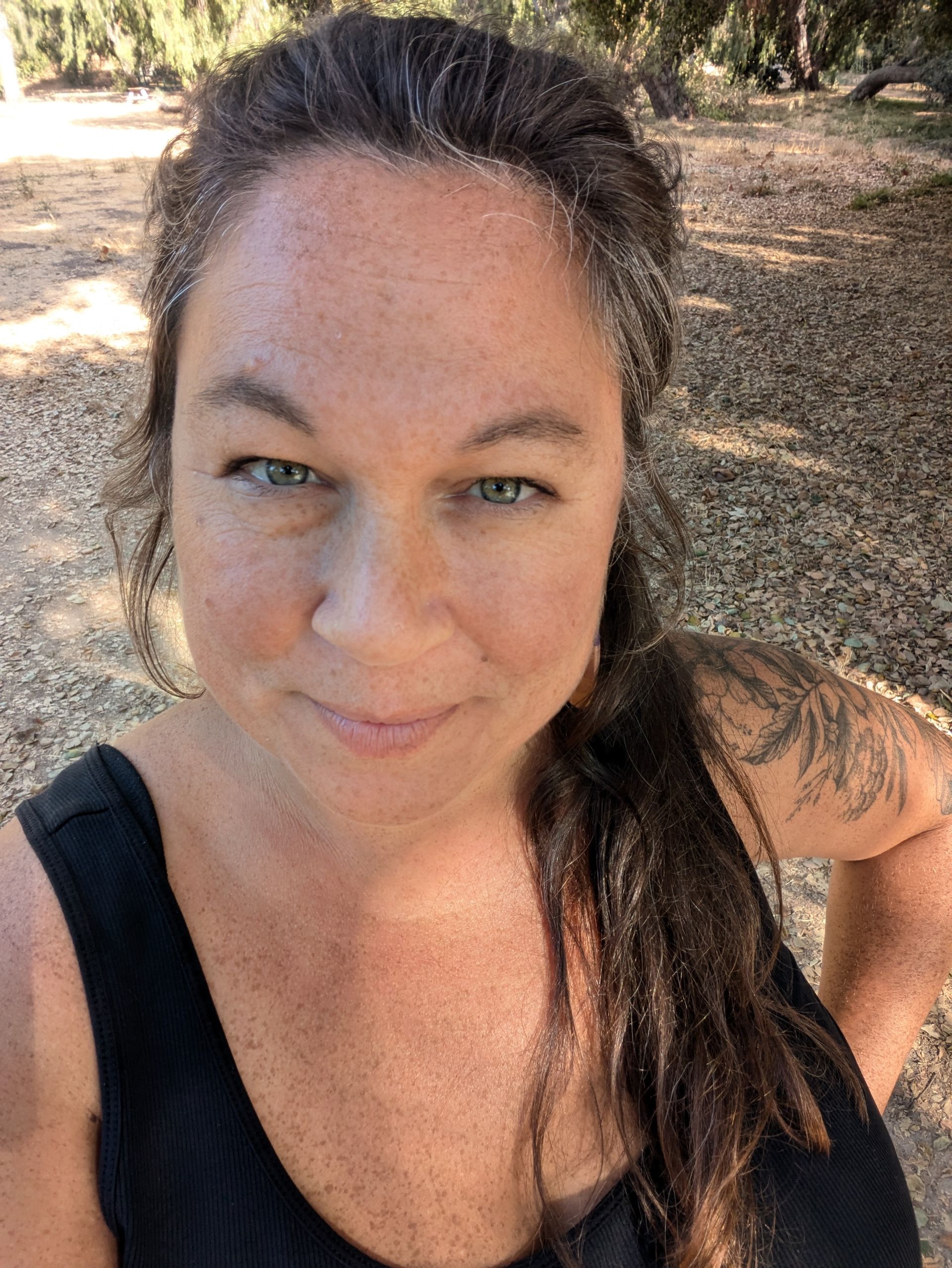
Roya Dedeaux is a Licensed Marriage and Family Therapist with a focus on using creative tools like art, writing, and recreation as a way to help teens and their families who don't quite fit the mold.
Roya is the author of Connect with Courage: practical ways to release fear and find joy in the places your kids take you, runs several art groups, and loves working both in her private and group practices! She is constantly creating new tools for more creatively, and even sells her original art on eBay under the name TheRecreative.
When she's not working she spends most of her time on a baseball field being a sportsball mama, and she loves to make messes with her three wild & wonderful kids where they live and play hard in Southern California.