Small Steps to Build Confidence When You Feel Behind in Life
Feeling behind in life? A licensed therapist shares 7 small, doable steps to build confidence and collect proof that you're more capable than you think.
If you're looking at the new year and thinking, I should be further along by now, you are probably expecting me to say in soothing, therapy tones, “you’re not behind! You aren’t alone! You’re exactly where you’re supposed to be.”
And maybe it would be nicer of me to say those things…but my goal as a therapist isn’t to be nice. It’s to help you be the healthiest version of you that you want to be. It’s to help your insides match your outsides and be congruent. I think of my role as a mirror - holding up your patterns so you can see them yourself. I’m a flashlight, helping to illuminate situations that you’ve been looking at in the dark. Sometimes it doesn’t feel kind, to have a mirror held up, to have a light shine on your truths.
You might be behind where you want to be. That doesn’t mean I just pat your head and tell you it’s okay. It does mean I ask you to stop shaming yourself for that feeling, and think about what information it’s providing. I ask you to use the information to decide next steps. You don’t need to feel panic, desperation, or shame for being behind, but at the point where you’re looking for help, I ask that you start to take accountability for any change you want to see.

If you aren’t on the path you expected to be on, or at the point you wanted to be, it can feel lonely and discouraging. As a licensed therapist, I often talk with young adults who feel behind: still working on community college, struggling to make appointments, hard on themselves about the hours of YoutTube they’re watching, or wondering why 'basic' adulting feels so hard.
The comparison trap makes it worse, because everyone else's life looks smooth on a screen. Folks you used to go to park day playdates with seem like they’re making moves that feel decades away for you. It makes it hard to reach out for support, and every time you compare yourself to someone else who seems further along the path, it makes the path feel that much more impossible.
Every person has a place when they are ready for change. Can I tell you a secret? It doesn’t mean you feel ready. It means that you’ve made an intellectual decision to take small, concrete steps even though you feel behind, lonely, or stuck.
If you think you are ready to take on the next challenge, here is a list of ways you can start building an “I can do it” mentality.
Here are 7 small steps that can help you start building confidence in a real, steady way.
1. Swap resolutions for evidence
Big resolutions can set you up to fall short. Instead, start collecting evidence that you're capable.
Each time you do something, no matter how small, write it down. Evidence is more convincing than pep talks.
You know how when your mom tells you you’re wonderful you don’t believe it because moms are supposed to think you’re wonderful? It is way more meaningful if she says, “I know you’re persistent because I watched how many times you tried that level on Your Favorite Video Game. I saw you try something hard at least 50 times.” Concrete evidence of positive qualities is incredibly powerful.
Try This:
I suggest starting an Evidence Notebook. Every day write down at least one thing you did that proves that you’re capable. It might be something like, “I made a meal for myself today.” “I navigated a hard conversation with a friend.” “I ordered my own boba.”
2. Make the next step ridiculously small
If 'get my degree' or ‘get a driver’s license’ feels huge, no kidding it does! It is huge! So often my clients look at these big giant milestones and think, “I can’t do that!” It’s like trying to eat an entire Costco sheet cake in one swallow. You’re right. You can’t do that if you are thinking of it as one big bite.
Your job is to break up the task into steps – and keep breaking them down into smaller, smaller, and even smaller steps. Make the steps so small they seem ridiculous.
If your goal is to get a college degree, your first step might be to find the college website. If you are wanting to get a driver’s license, your next step might be just to look at the list of criteria. After that try downloading the handbook. Then read a single page. Small steps count.
3. Do one tiny 'adulting' thing a day
Speaking of small steps, actions done repeatedly also add up to competency!
Try this:
Do one “adulting” task every day. It doesn’t need to be a big scary thing to qualify. Take out the trash. Move a load of laundry. Make one appointment. Reply to a friend’s text. These small actions build a sense of competence. (Especially if you add them to your evidence notebook after!)

4. Practice leaving the house on purpose
Hey so anxiety and depression are really self-centered emotions. I don’t mean they make you selfish, I mean they make it hard to think about other people.
When you’re really anxious that you’re going to say the wrong thing, it gets in the way of listening to what the other person is saying. Anxiety can cut you off from the world.
The antidote to anxiety is curiosity and connection.
One way to accomplish this is to get out of the house. Do it purposefully, even if it’s just a short time. Make an intellectual decision to do this daily, and it won’t matter how you feel. You can leave the house while anxious, while sad, while tired, while overwhelmed. A short walk, a trip to the library, or a visit to a coffee shop gives you practice being in the world. Even 10 minutes changes your day and your story about yourself.

5. Limit the scroll, gently
The world we reach through our phones is vast and wonderful in many ways. Social media, YouTube, discord, gaming - these can absolutely be used for good and can make us feel connected.
Howwwwwever I want to suggest that if you are struggling with feeling capable in your in-person life, you might want to be honest about how much of your time you’re spending in the comfort zone of screens.
It’s a little like eating potato chips. Salty, delicious, satisfying crunch. Probably not nutritious enough on their own. So don’t let yourself be fooled that a handful of chips is enough to fuel you. However, nobody gets off their phone through guilt alone, and I don’t want to minimize the reward you do get from it.
So be honest about when you’re turning to a screen because other things feel too hard, and when you’re turning to a screen because you genuinely want to be. Try one small boundary: no phone for the first 10 minutes of the day, or a short walk without it. Be kind to yourself when it doesn't go perfectly.
6. Find one person to tell
Share a small win with a friend, a family member, or a mentor. Saying it out loud makes it real, and it builds connection too.
Don’t worry if you think it’s a small win - I guarantee you that more people than you know want to celebrate every step with you. They’ll feel closer to you because you trusted them with it too!
I want to remind you that everyone is struggling with something. Even if they didn’t struggle with that exact situation, they understand the feeling of overcoming something hard.
When to get more support
If feeling behind comes with persistent sadness, hopelessness, or trouble functioning, please consider talking with a therapist or doctor. If you're ever in crisis, contact local emergency services or a crisis line right away. Find out more about my therapy at
www.royadedeaux.com.
7. Expect setbacks, and keep the streak of trying
Some days you'll do nothing on your list. That doesn't erase your progress. The goal is to keep trying, not to be perfect.
I think about progress like a rope bridge. Some days you have the energy to accomplish big things, and the rope is full and thick. Other days you might just barely get a single string across. That’s okay. That still counts.
I once had a streak of watering the plants and working in my garden every day - but do you know what I counted as success? Looking at the planter. There were some days I watered the trees, weeded the plants, pruned and swept up the patio. Other days I literally dragged myself to look at the garden and didn’t touch a thing. And as long as I did that, I told myself it counted and I would come back the next day.
I know I did more gardening and plant care in the long run doing this. If I hadn’t counted the days I only looked at the plants, I would have broken my streak, felt like it wasn’t possible, and given up.

A playful way to practice
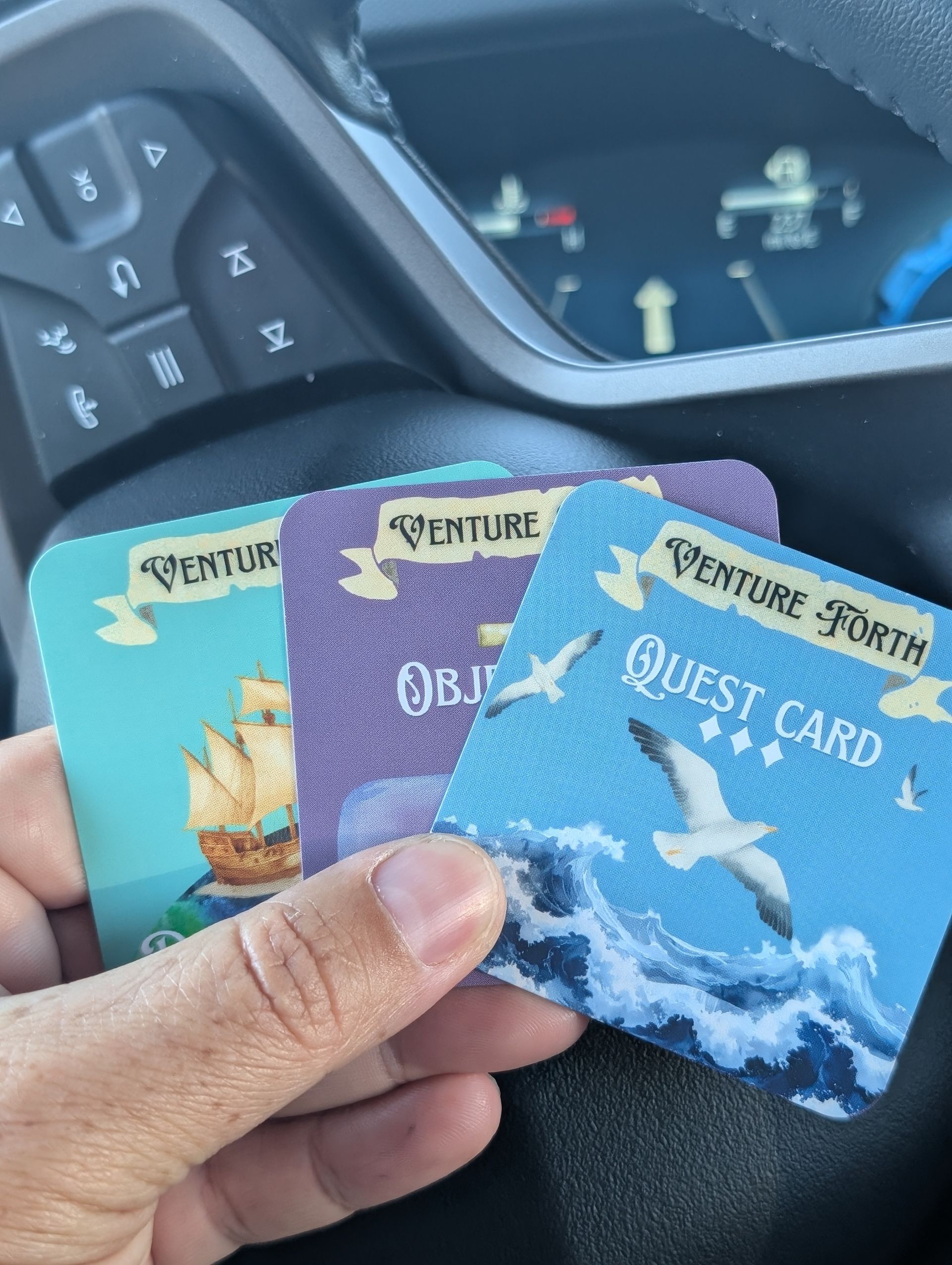
Helping you take steps to feeling confident and capable is why I created Venture Forth. This is a monthly snail mail subscription, so the only real step you need to take to get started is signing up.
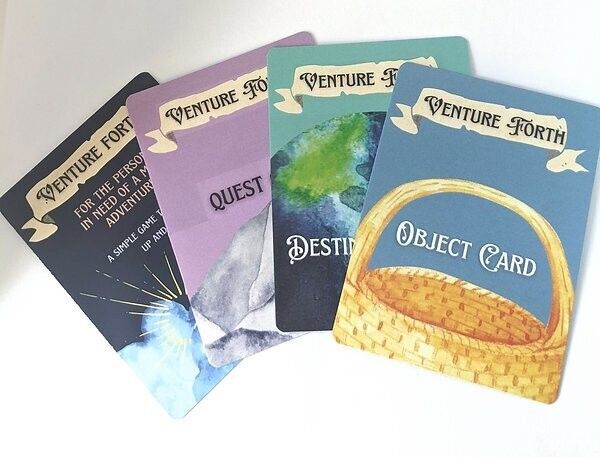
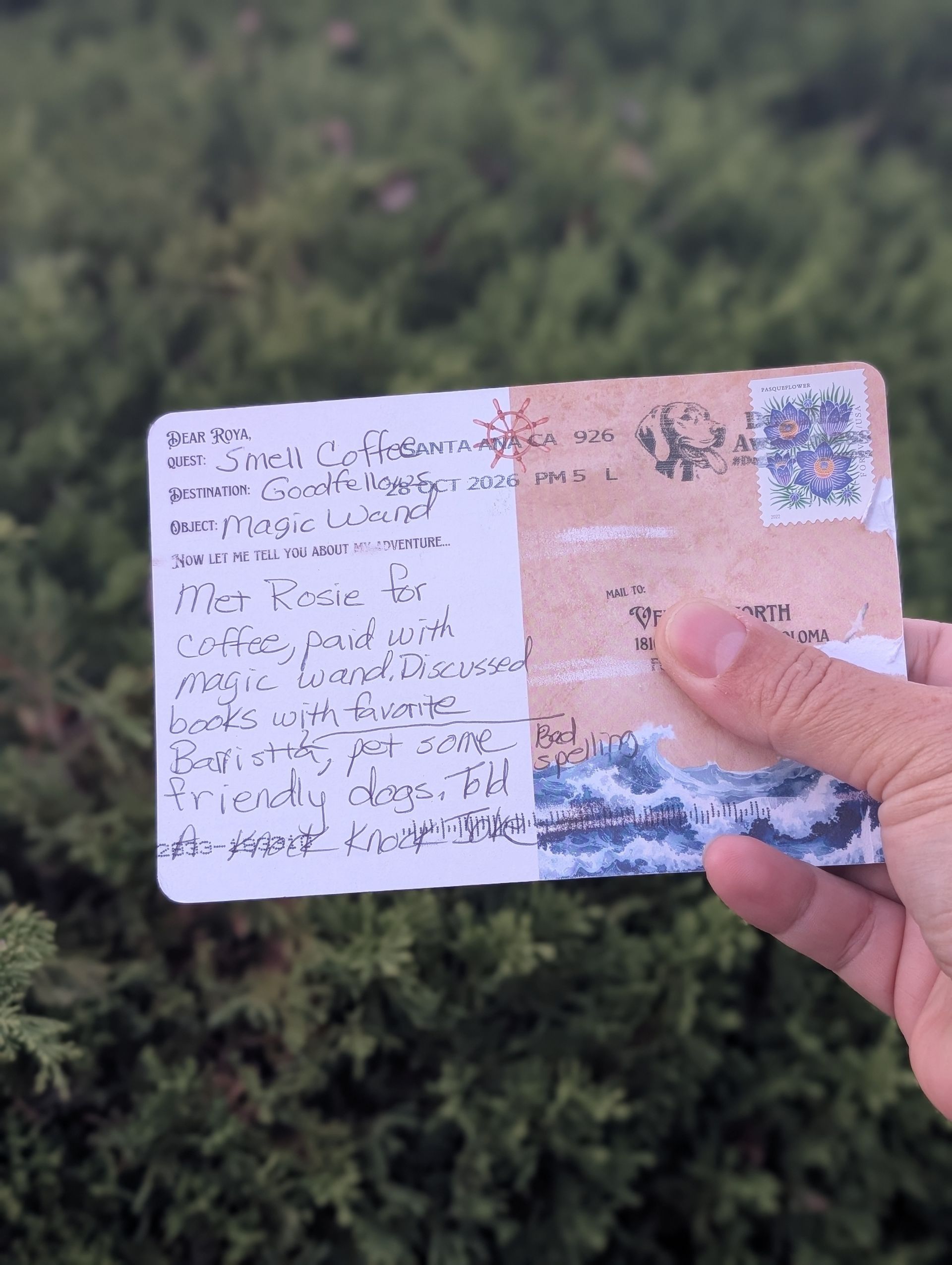
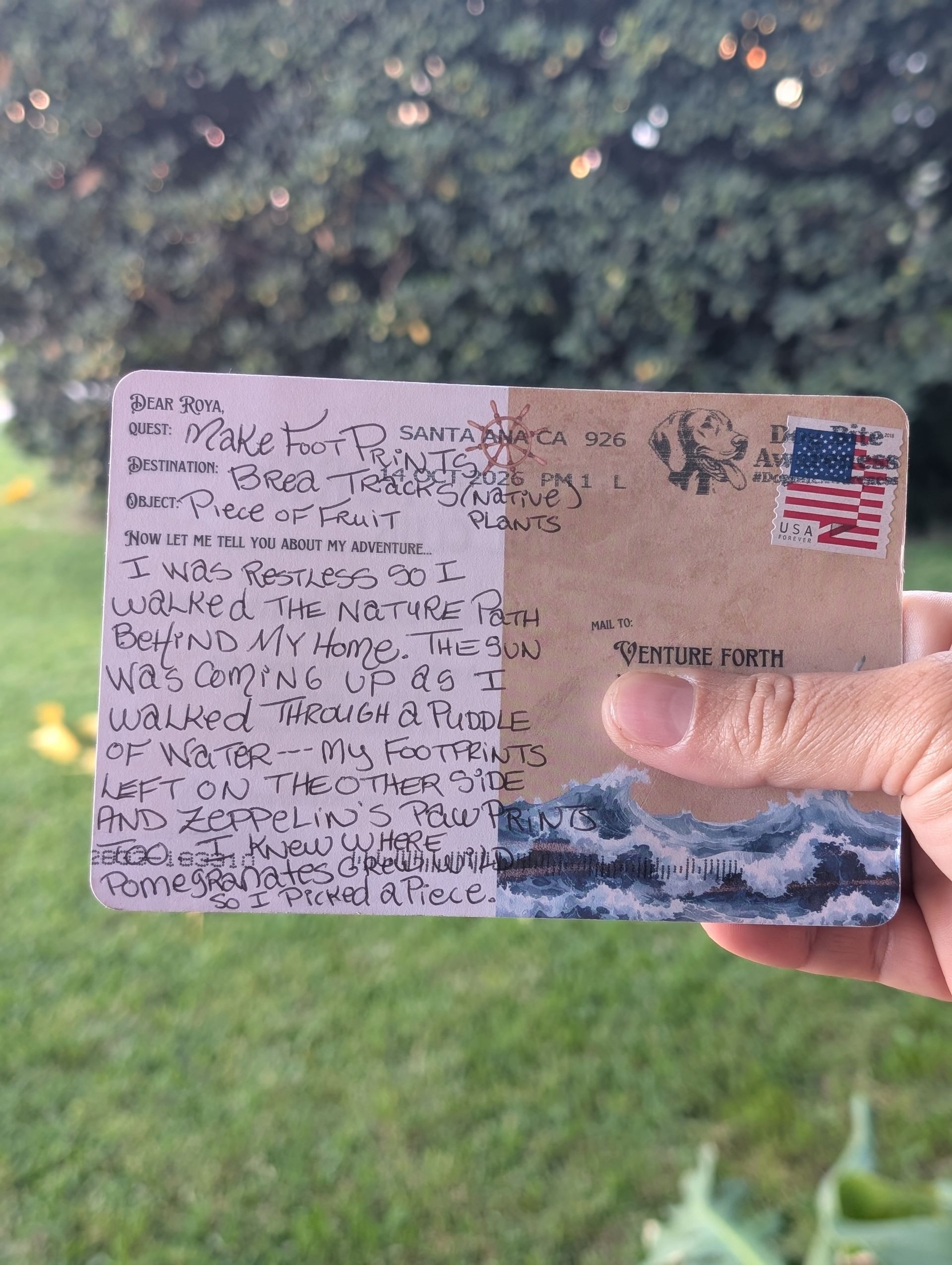
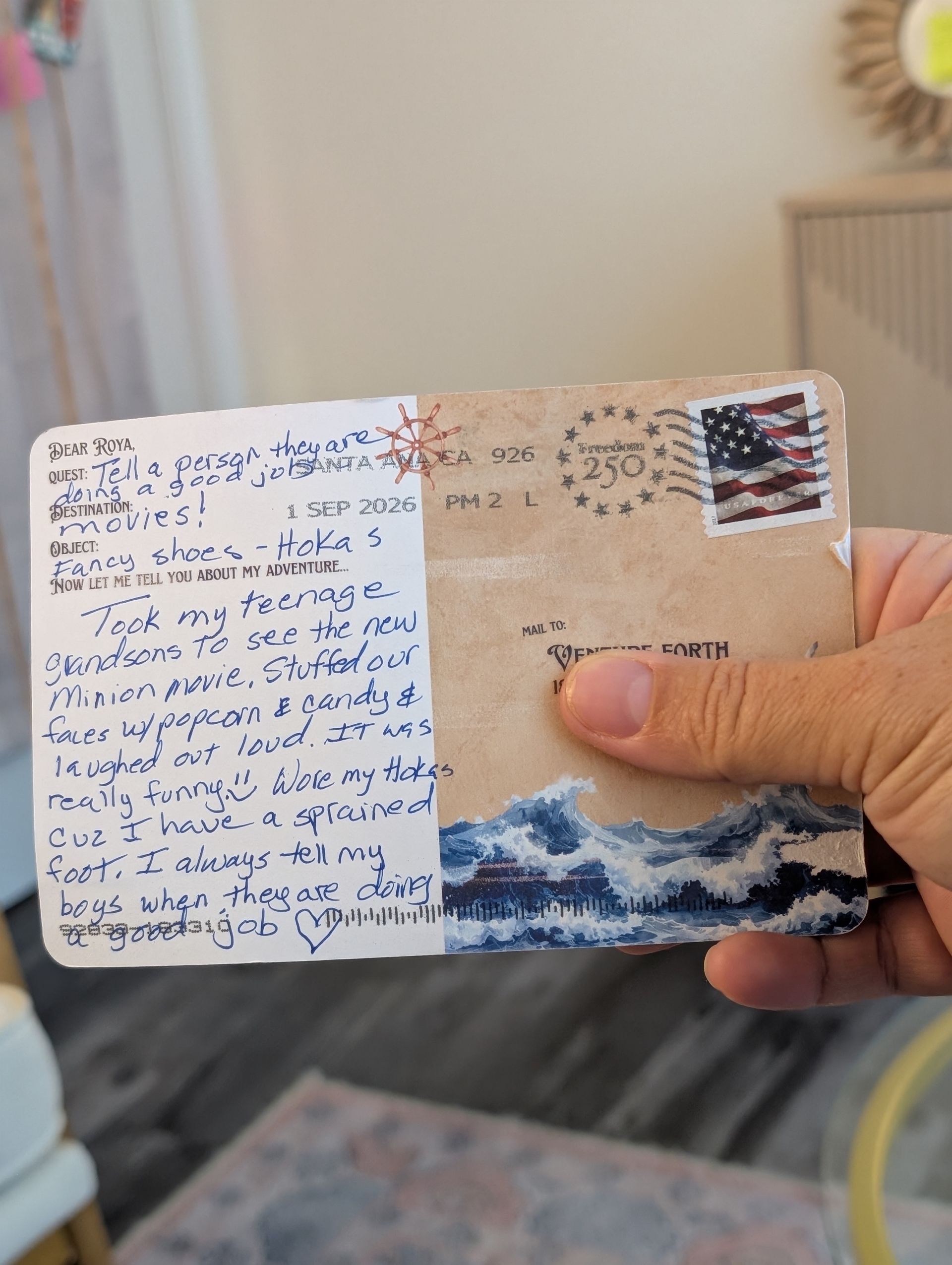
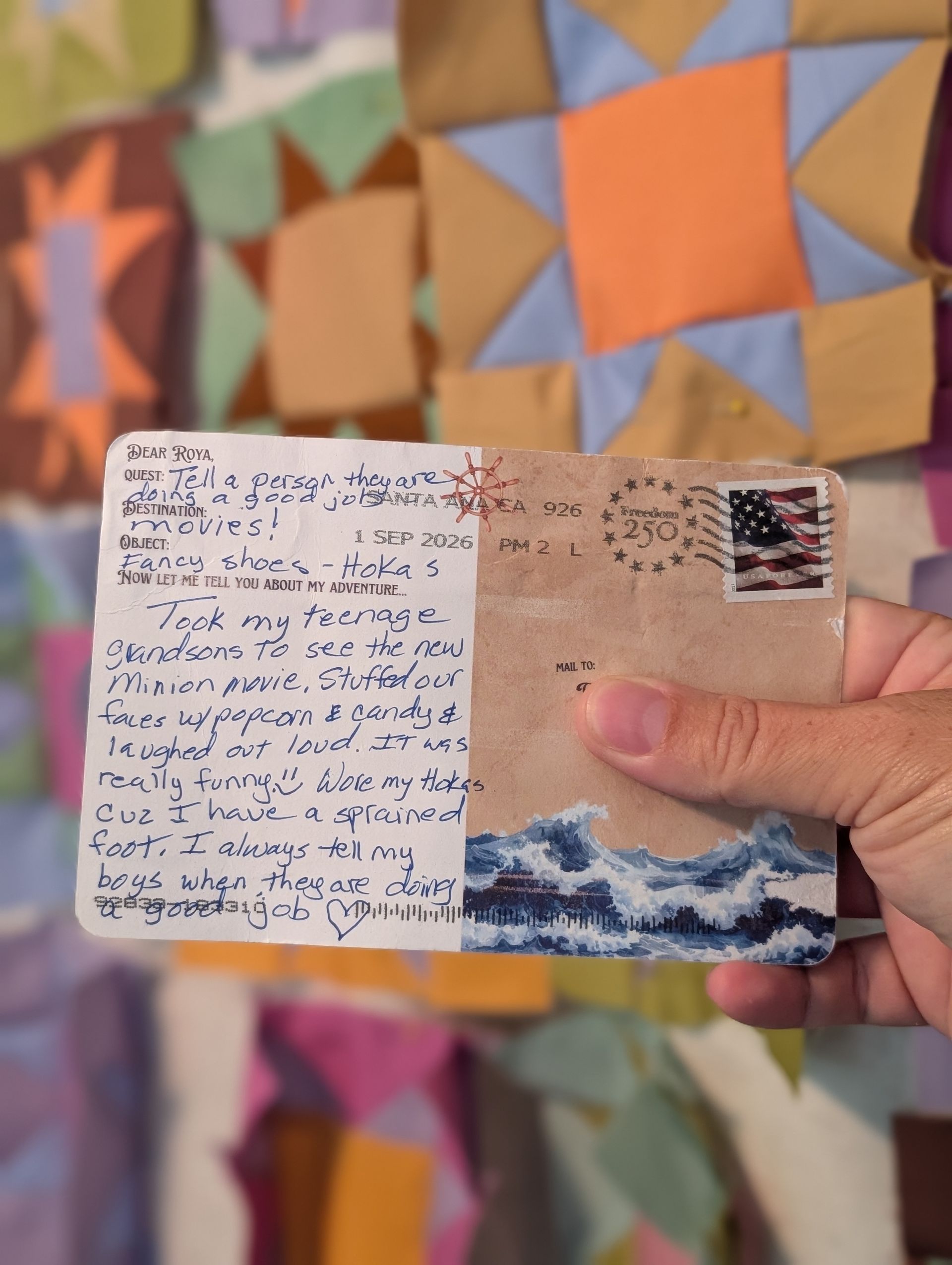
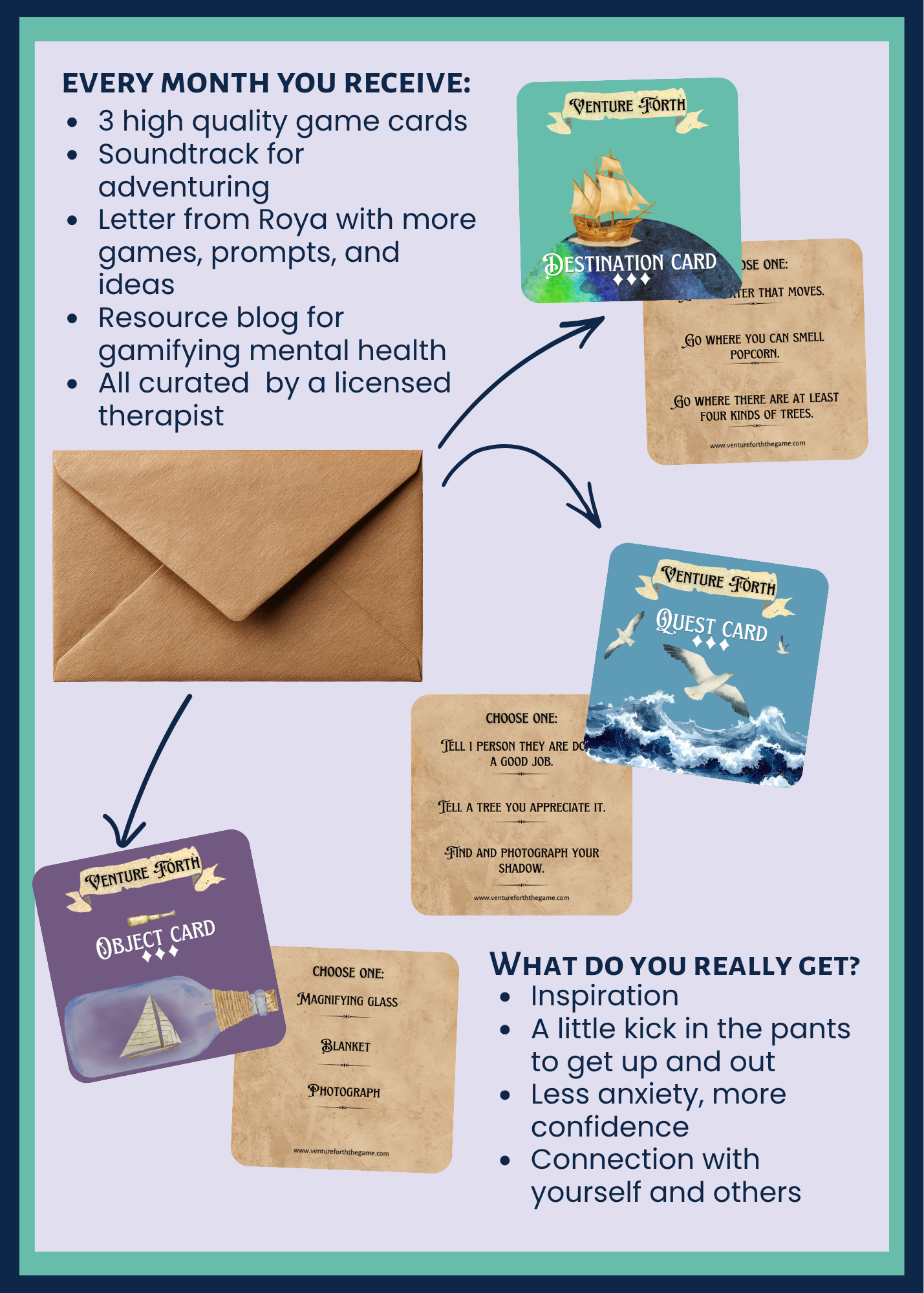
Each monthly envelope offers a quest, a destination, and an object card, with three options each, plus an adventure log to record your wins and a postcard to mail back to me. It's a loose structure for a mild adventure, and a way to collect proof that you can.
Each bit of the Venture Forth Mail Club is designed to meet you where you’re at. You have multiple options in order to choose one that fits your energy level, the quests are absolutely doable for you, and the postcard is there so you mail me proof of what you did and know that I am cheering you on! Learn more about the Mail Club here!
Your next small step: Try the Venture Forth Mail Club out for free.
I have a free mini version of the Venture Forth game available for folks who are on my email list. Download the free Venture Forth mini game here. And if you'd like to give a month (or three) of gentle nudges, click on the button below!
Venture Forth: a gentle nudge, not a challenge
When I created the Venture Forth Mail Club, I was thinking about exactly this. Not about people who need to be pushed to "do more,” but about people who want to reconnect with the world outside and need a low-stakes, playful, and supportive way to help them do it.
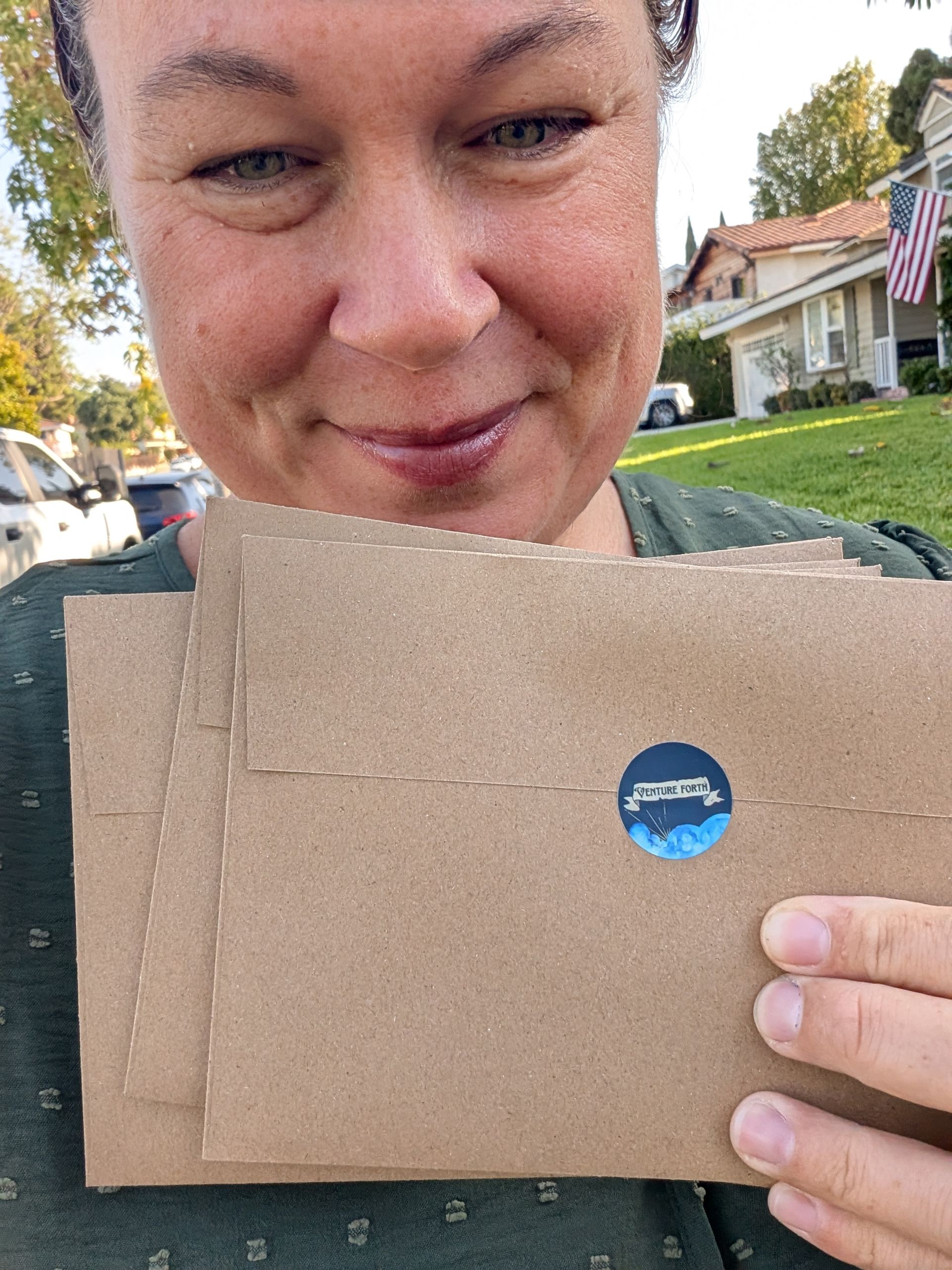
Each month, subscribers receive a beautifully curated envelope (a destination card, an object card, and a quest card - plus a play list to listen to while you adventure, a supportive letter from yours truly, and other little bits of playfulness). It's not a challenge. It's not a to-do list. It's closer to a friend saying: "Hey, want to come look at this interesting thing with me?"
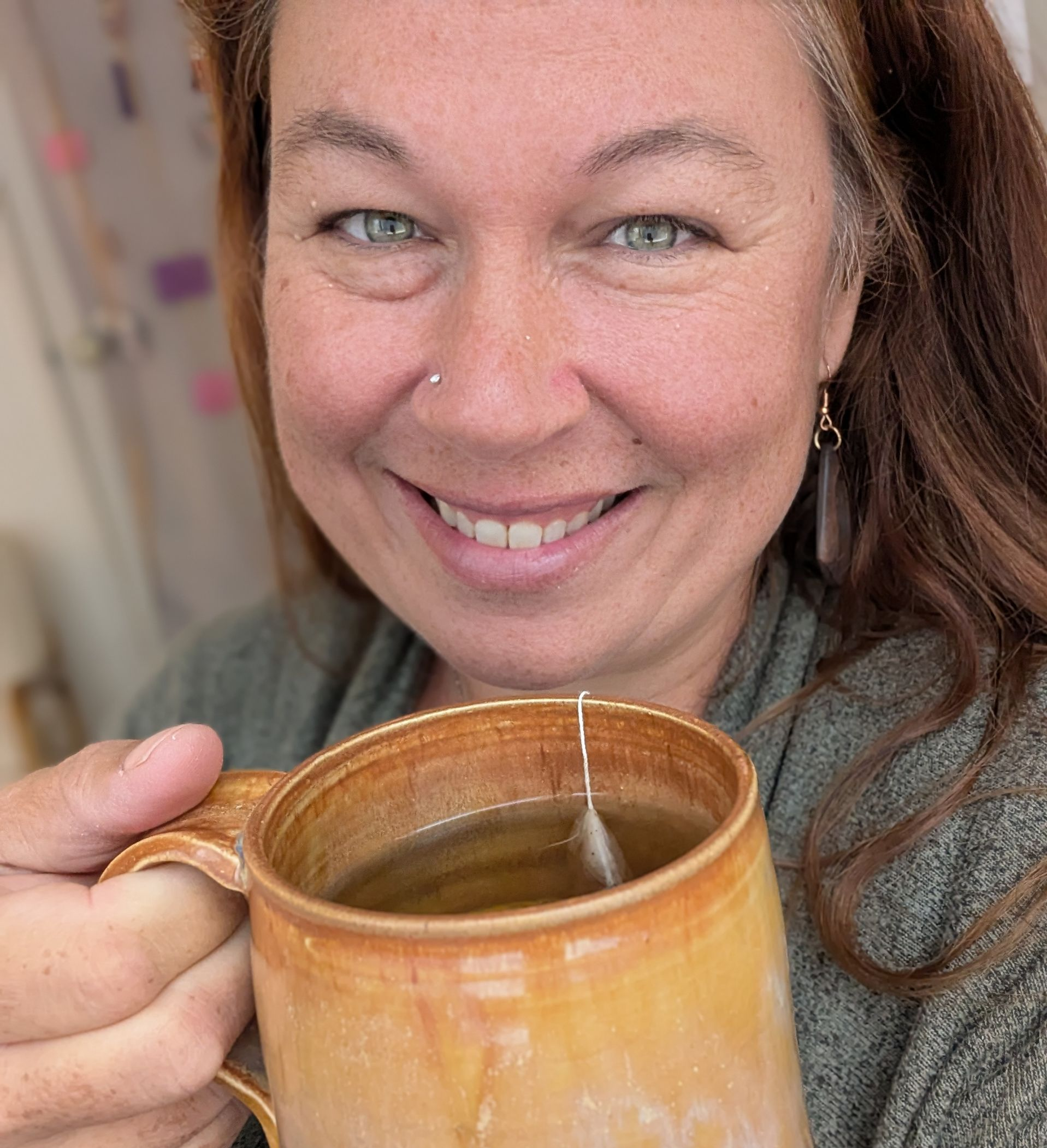
Roya Dedeaux is a Licensed Marriage and Family Therapist with a focus on using creative tools like art, writing, and recreation as a way to help teens and their families who don't quite fit the mold.
Roya is the author of Connect with Courage: practical ways to release fear and find joy in the places your kids take you, runs several art groups, and loves working both in her private and group practices! She is constantly creating new tools for more creatively, and even sells her original art on eBay under the name TheRecreative.
When she's not working she spends most of her time on a baseball field being a sportsball mama, and she loves to make messes with her three wild & wonderful kids where they live and play hard in Southern California.