Why Going Outside Helps Anxiety: A Therapist Explains
Why Going Outside Helps Anxiety: A Therapist Explains
Does going outside help anxiety?
If you struggle with anxiety, you've probably heard the advice, "Just go outside!" You have probably heard it about a million times. Have you seen those videos on TikTok about the “stupid walks for stupid mental health?” It always cracks me up when therapy advice turns mainstream enough to become a cliche and get memed. So. Just go outside? You’ve definitely heard that advice - and I’m willing to bet you have immediately had the responding thought,
It's not that simple.
You're right. It isn't always simple.
But as a licensed therapist, I can tell you there are real reasons many people feel better after getting out into the world. And no matter how many ways your brain tries to tell you it isn’t worth it, you shouldn’t go, it’s better inside, don’t dooooo it -
there are ways to make it more doable when your brain is telling you to stay put.
Why going outside can help
1. It interrupts the loop.
Anxiety often lives in repetitive thinking. It’s kind of it’s whole purpose - to make sure that you keep thinking about things so that nothing escapes and gets through the cracks. A change of scenery gives your mind something new to take in, which can loosen that loop, even for a few minutes.
2. It gets your body moving.
Walking and other gentle movement help many people burn off nervous energy and feel more settled. Have you ever noticed how sometimes you can think better when your feet are moving? Giving your body something to do helps move your attention spotlight off of problems and cyclical thoughts, and letting up that much can often help your brain find solutions, comfort, or just move through to another emotion.

3. Fresh air and daylight can lift your mood.
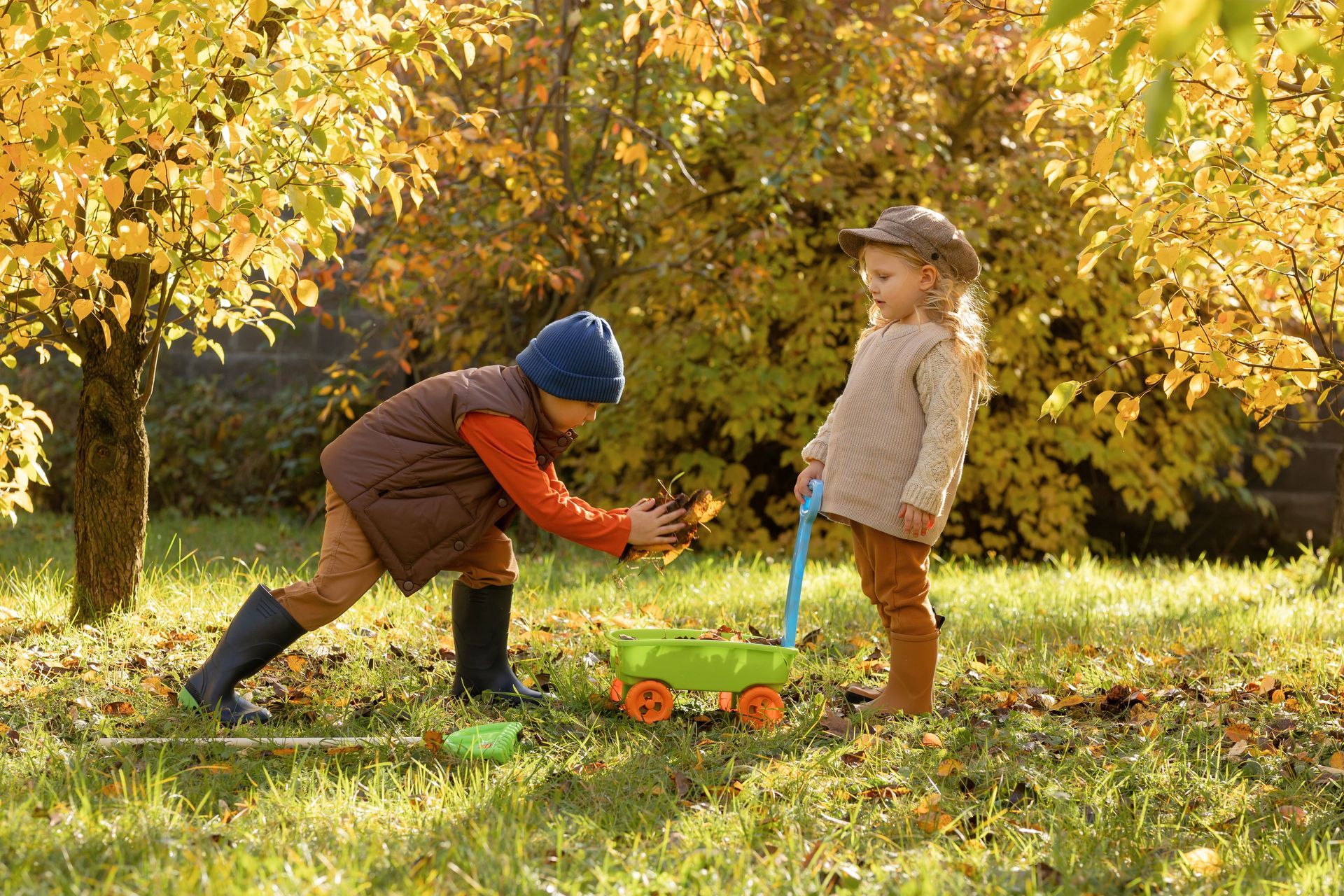
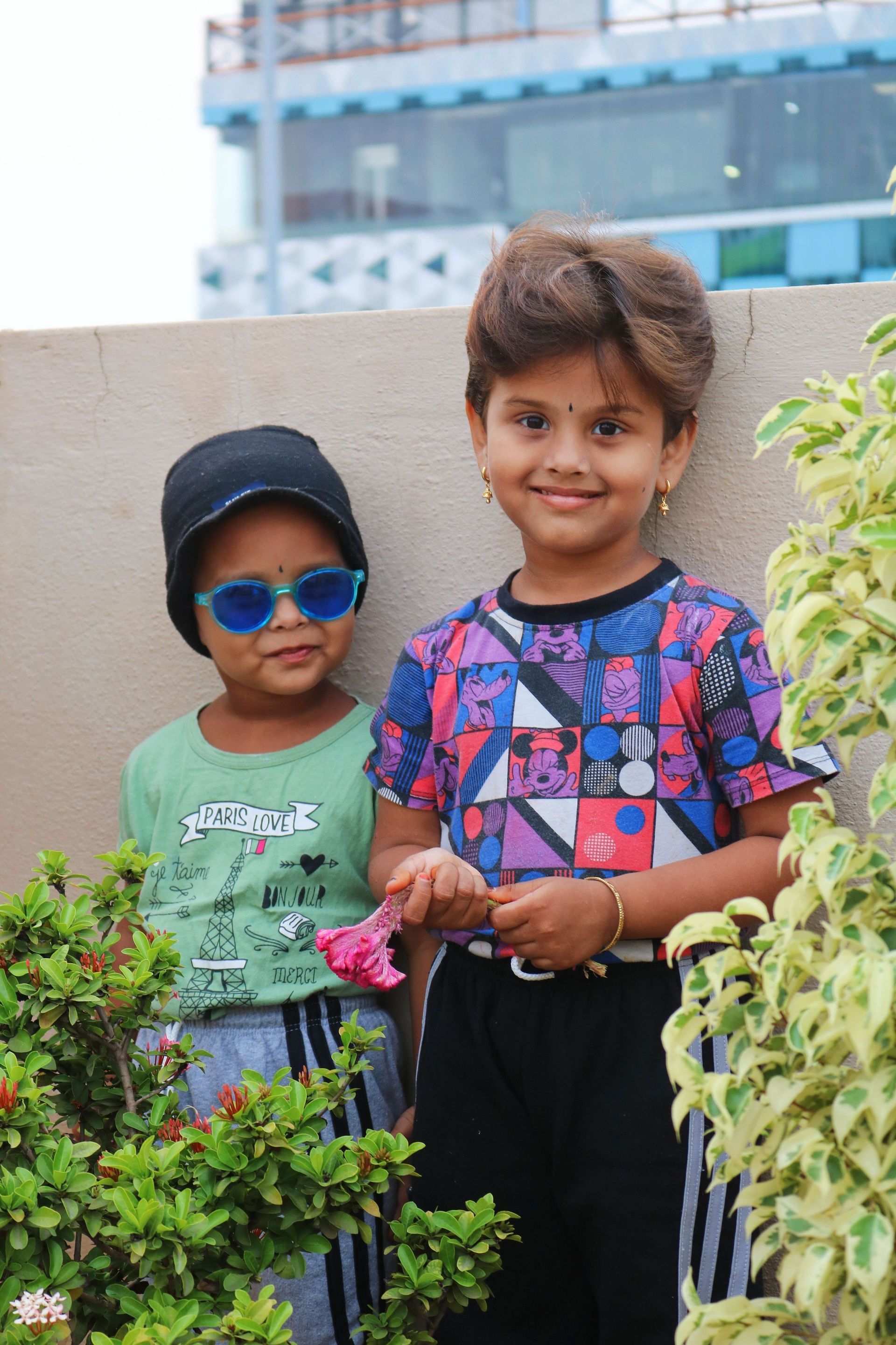
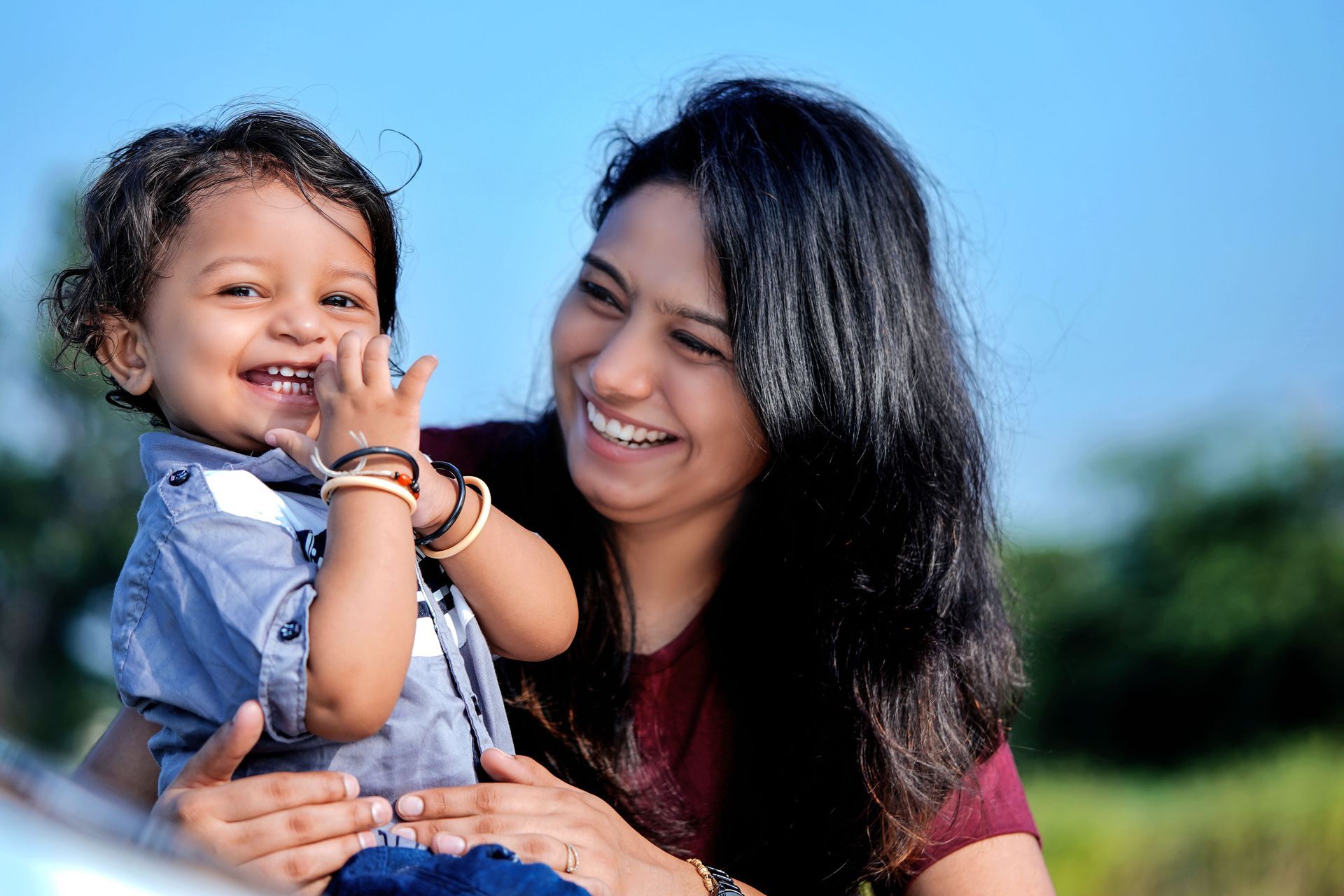
Many people notice they feel a bit better after time in natural light and open space. It isn't magic, and it isn't the same for everyone, but it's a simple, free tool. Our brains feel better when they see repetitive, but complex, shapes, such as what we find in nature. We also feel better when we smile. When we head out into the world on a walk it increases our chances that we will see things that lift our mood -such as a cute baby in a stroller, a dog that somehow looks exactly like its owner, or a couple of kids looking adorable playing tag on their lawn.
4. It gives you evidence.
This one matters most to me and the work I do as a licensed therapist. Anxiety tells us stories like, "I can't handle it" or "something bad will happen." When we tend towards anxiety, our brains work really hard to gather a collection of evidence that supports those stories. Part of what we do in therapy is work on adding richness to that narrative. We have to work to collect moments that prove those anxious stories wrong. Each time you step outside, do something small, and come back okay, you collect proof that the story isn't the whole truth.
A gentle reminder
Getting outside can be a helpful tool, but it isn't a replacement for professional support. If anxiety is making it hard to work, study, sleep, or take care of yourself, please consider talking with a therapist or your doctor. If you're in crisis, contact local emergency services or a crisis line right away. (Learn more about my work as a therapist here)
5. It reconnects you to the world.
Seeing other people, even from a distance, reminds your nervous system that you're part of something bigger. When you watch tiny little sparrows hopping across the sidewalk, when you see a flower blooming that was a bud last week, when you watch the sky change during a sunset, when you see the hustle and bustle of a bunch of people out on the street - it can all remind you that you belong in this place and space, alongside others. Anxiety can be a lonely and isolating feeling. Getting out of your home and connecting with the world, even at a distance, helps dispel the loneliness that often travels with anxiety.

Why it's so hard to start
Avoidance is one of the most common anxiety patterns. Staying in feels safer in the moment, so your brain rewards it. We snuggle so deep into our comfort zone it becomes a comfort bunker. But over time, the more we avoid, the bigger the outside world feels.
The good news is that the reverse is also true. Small, repeated steps make the world feel more manageable again.
How to start small
Forget "go for a long hike." Try one of these instead:
- The 5-minute step. Step outside and notice three things you can see, two you can hear, and one you can feel.
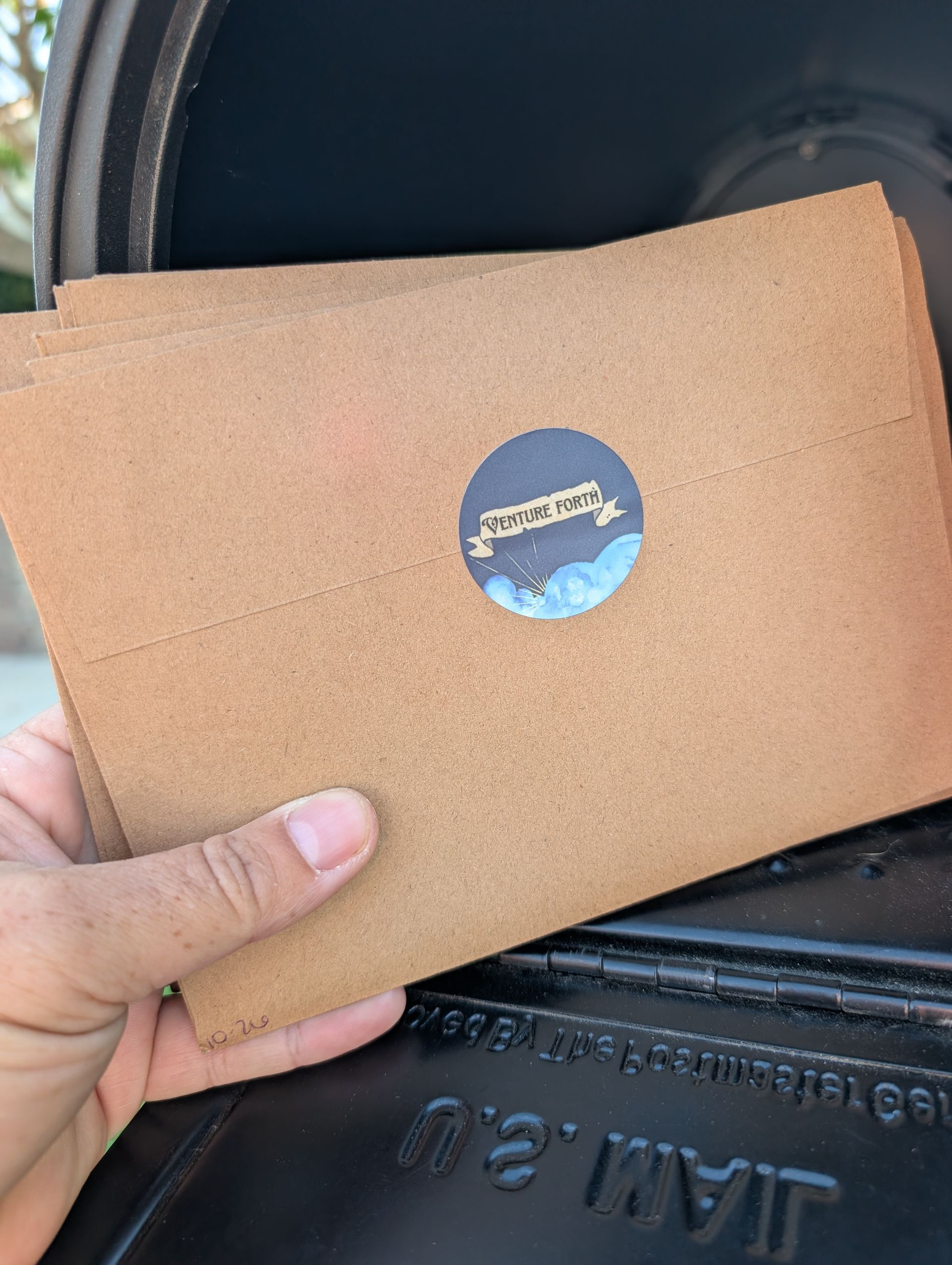
- The mailbox mission. Walk to the mailbox, or to the end of the block and back.
- The same-spot ritual. Visit the same bench or tree each day. Familiarity lowers the threat level.
- The "just to the corner" rule. You're allowed to turn around whenever you want. Often, once you're out, you'll keep going. If not, that still counts.
- A tiny reward. A favorite drink, a song, or a note in your journal.
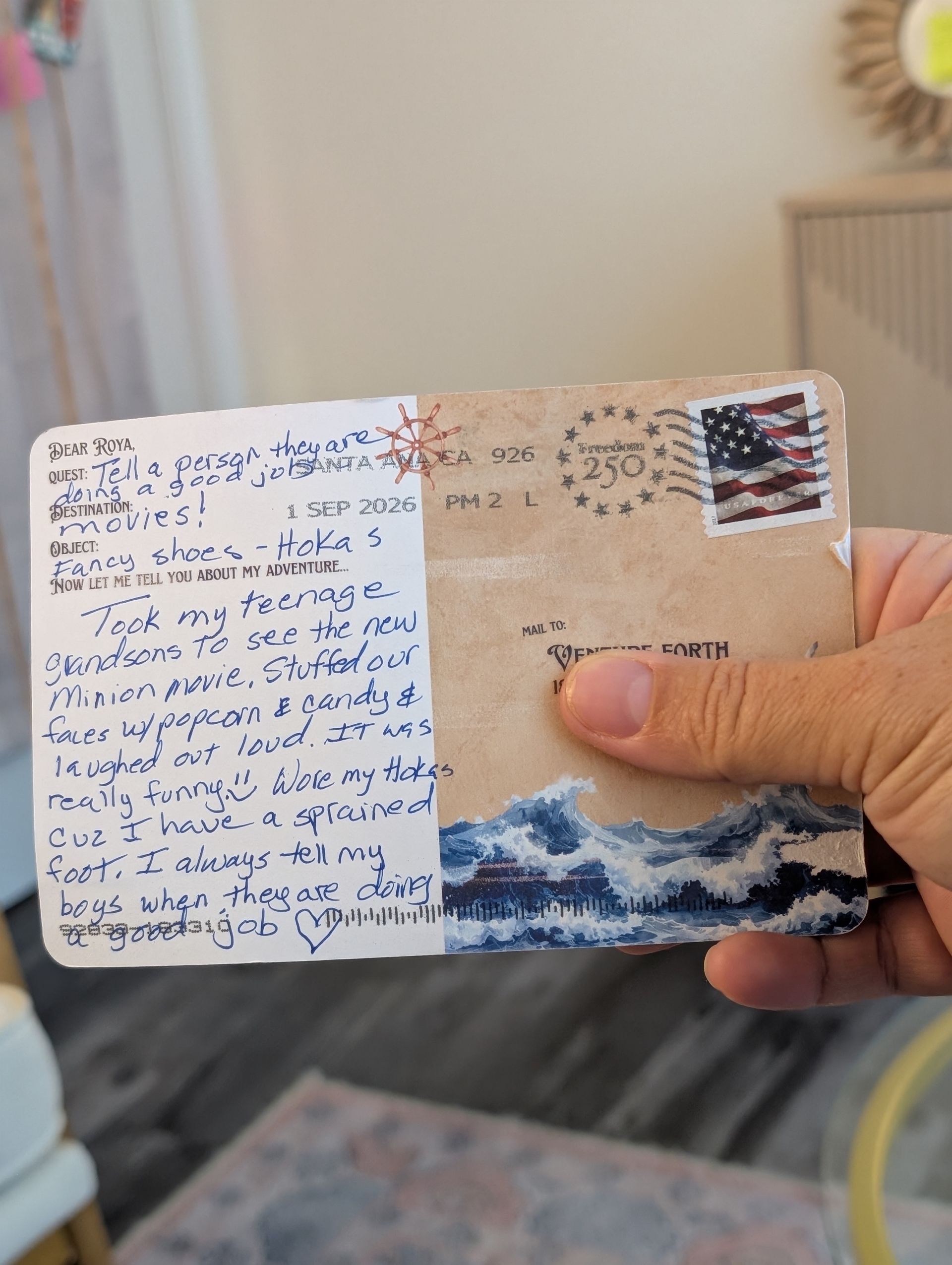
The point isn't to do it perfectly. It's to collect a small win. The Venture Forth Mail Club gives you small destinations and doable quests to help you get out into the world in small, but meaningful, ways.
Make it playful
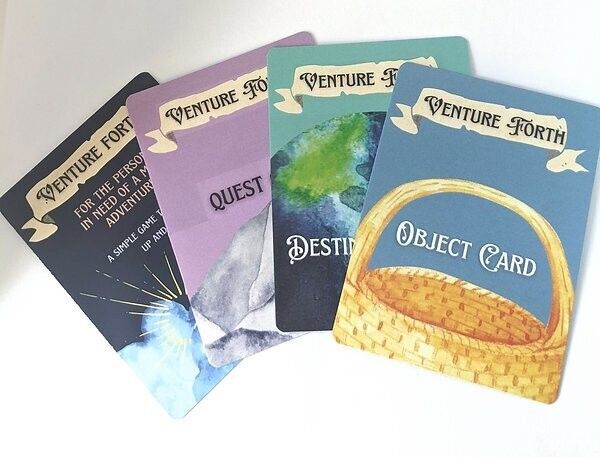
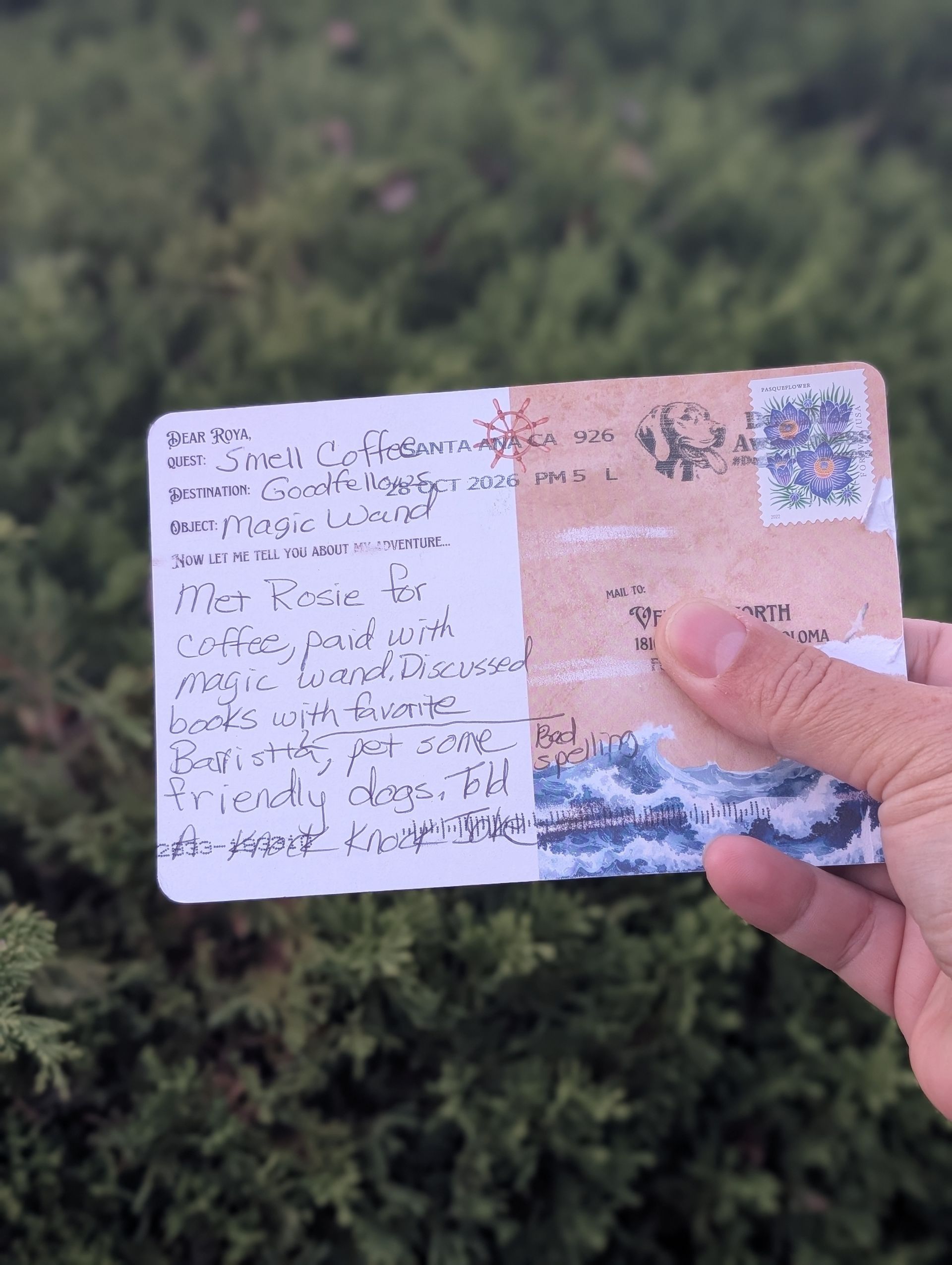
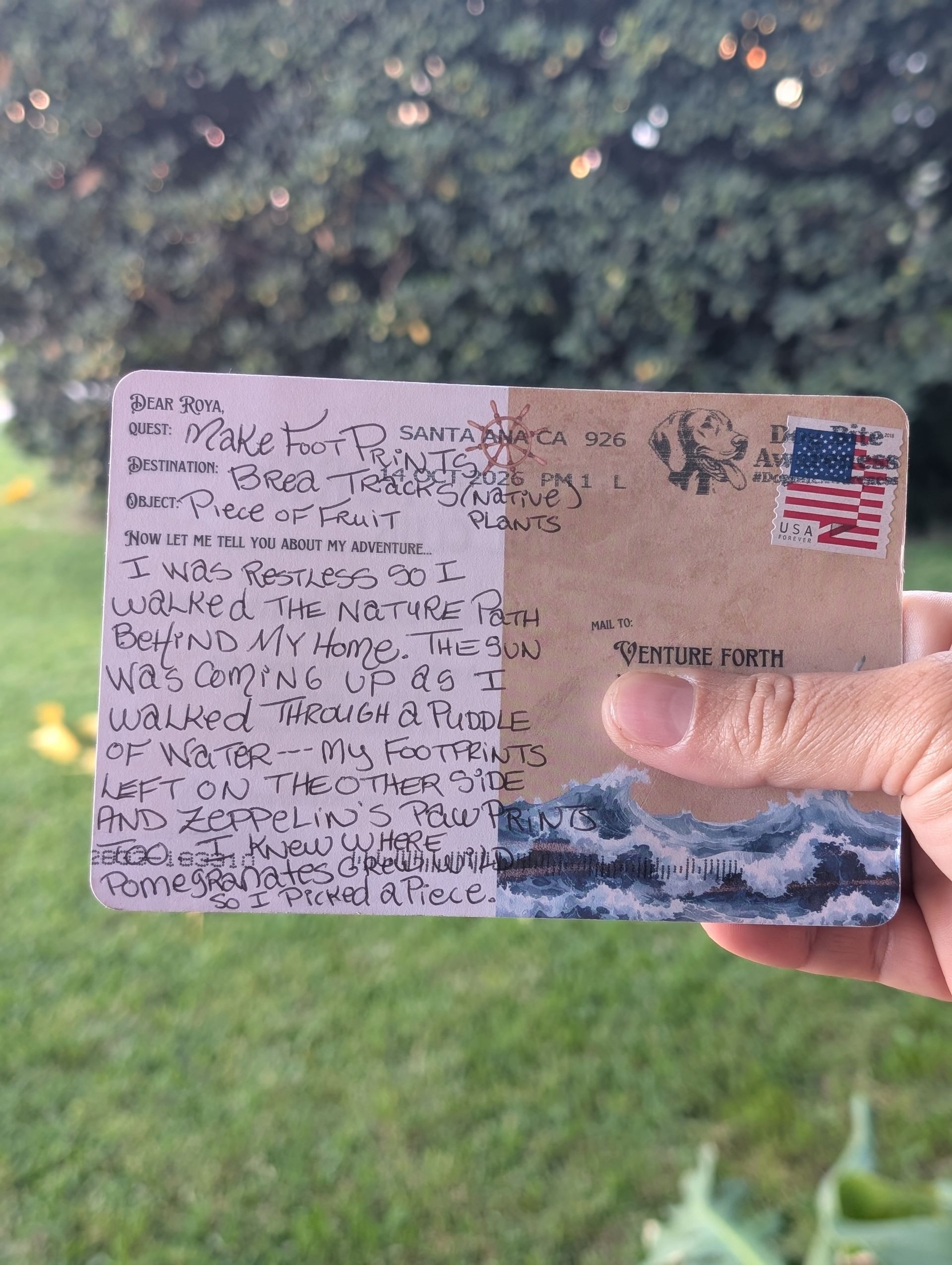
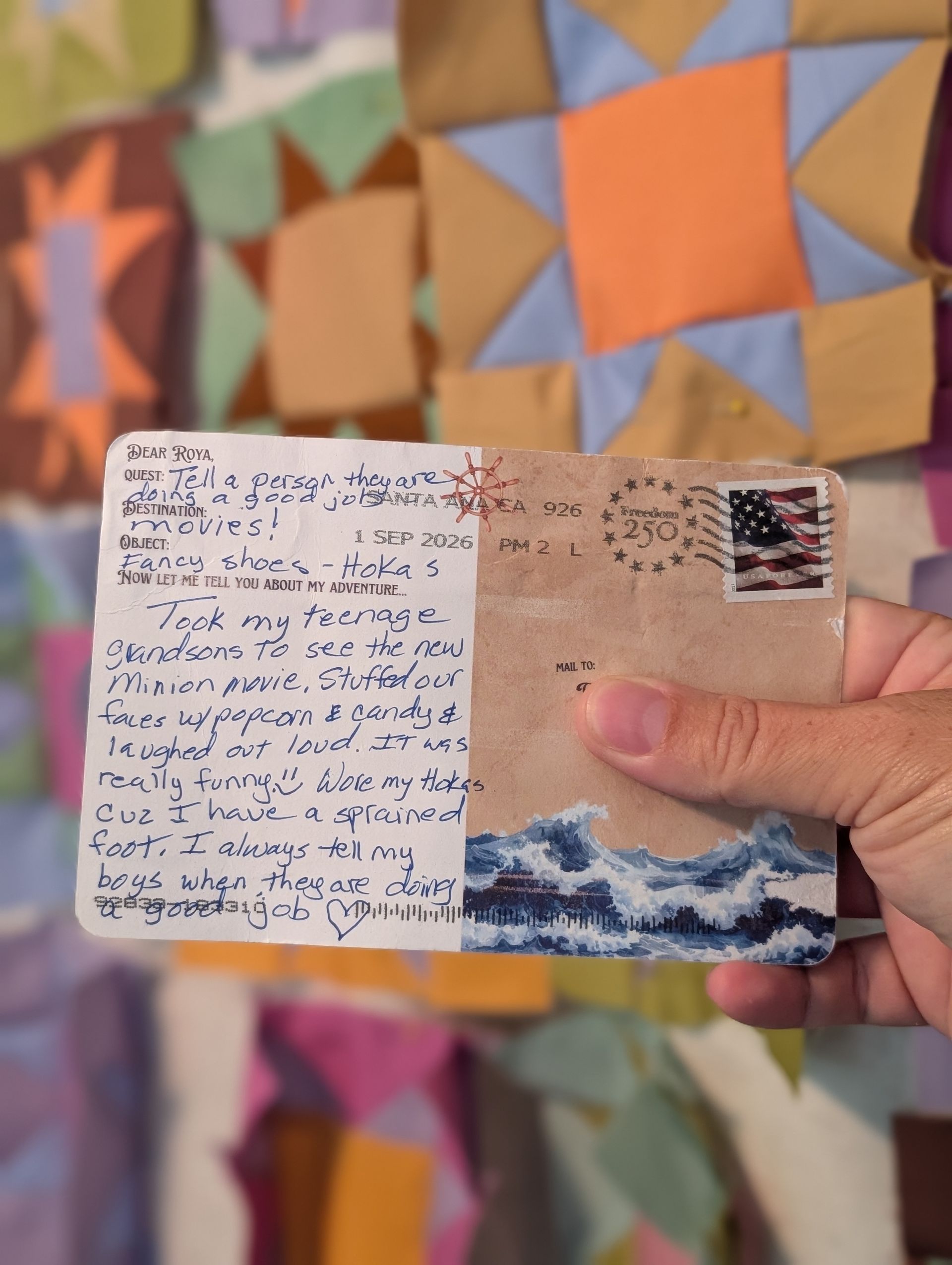
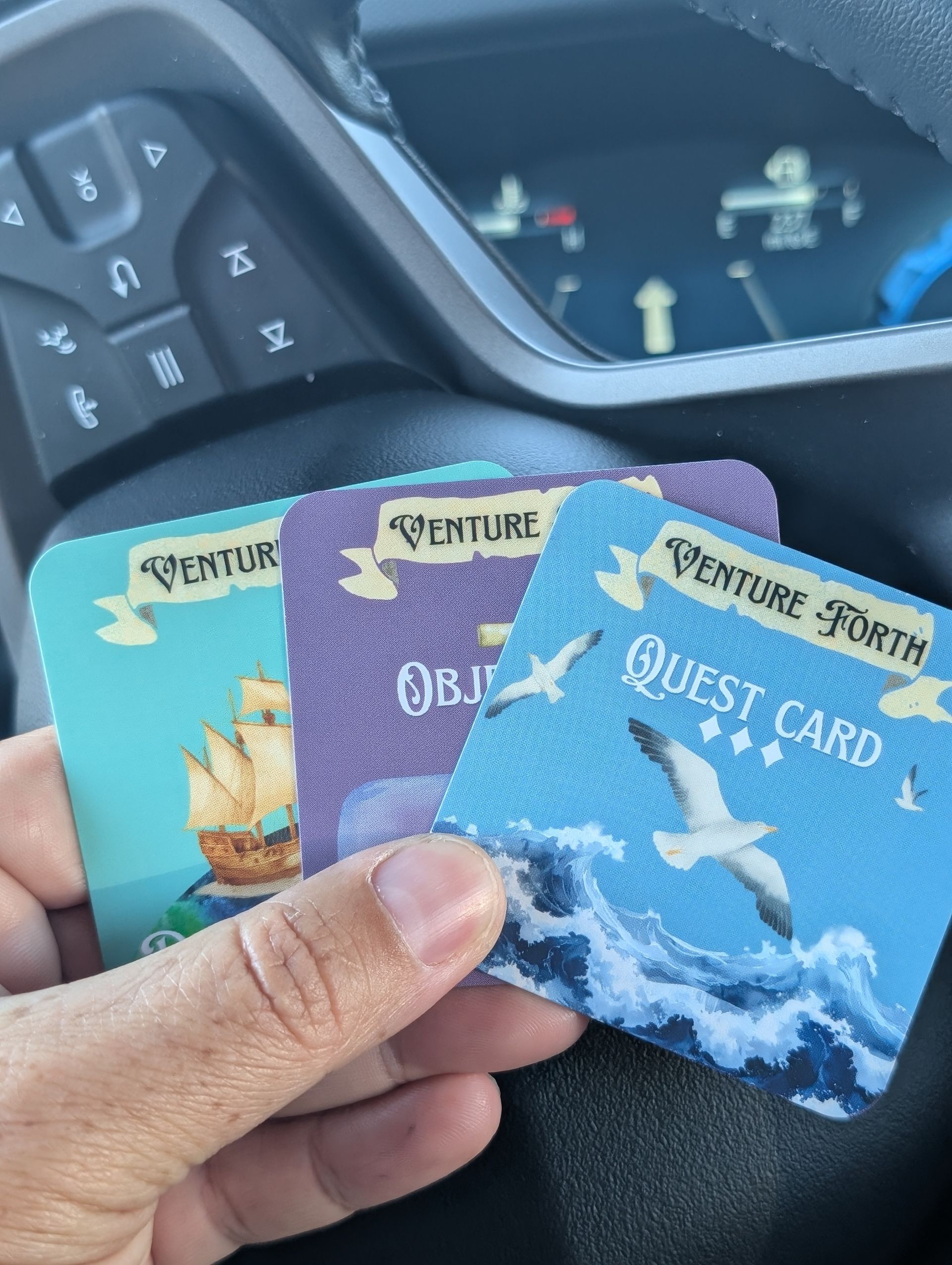
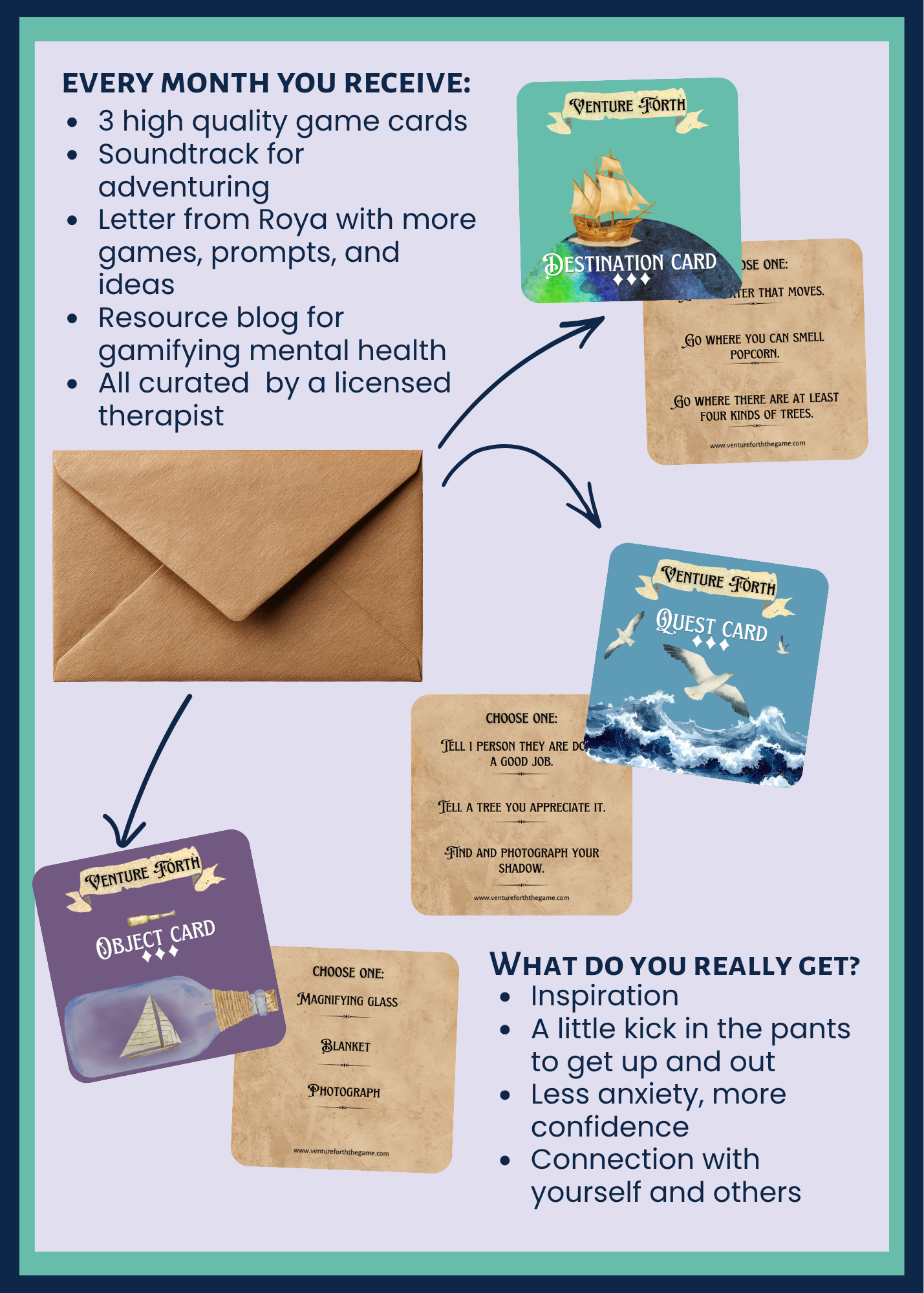
This is why I created Venture Forth. A little structure and a touch of whimsy can make leaving the house feel less like a test and more like a mild adventure. Each month's envelope offers a quest, a destination, and an object, with three options for each, so you pick what feels doable that day.
Want to try a small adventure first? Download the free Venture Forth mini game here. And if you'd like to give a month (or three) of gentle nudges, click on the button below!
Venture Forth: a gentle nudge, not a challenge
When I created the Venture Forth Mail Club, I was thinking about exactly this. Not about people who need to be pushed to "do more,” but about people who want to reconnect with the world outside and need a low-stakes, playful, and supportive way to help them do it.
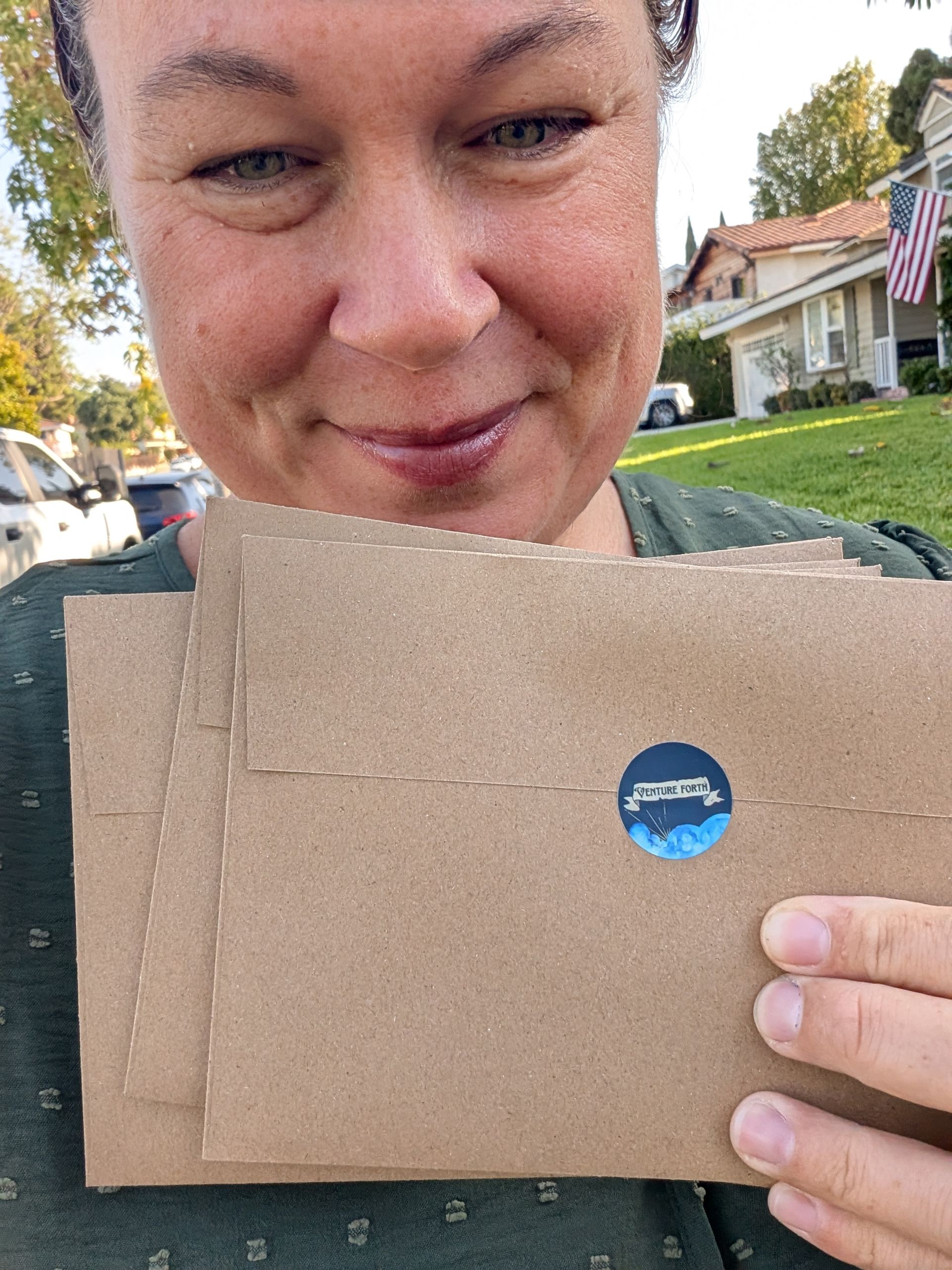
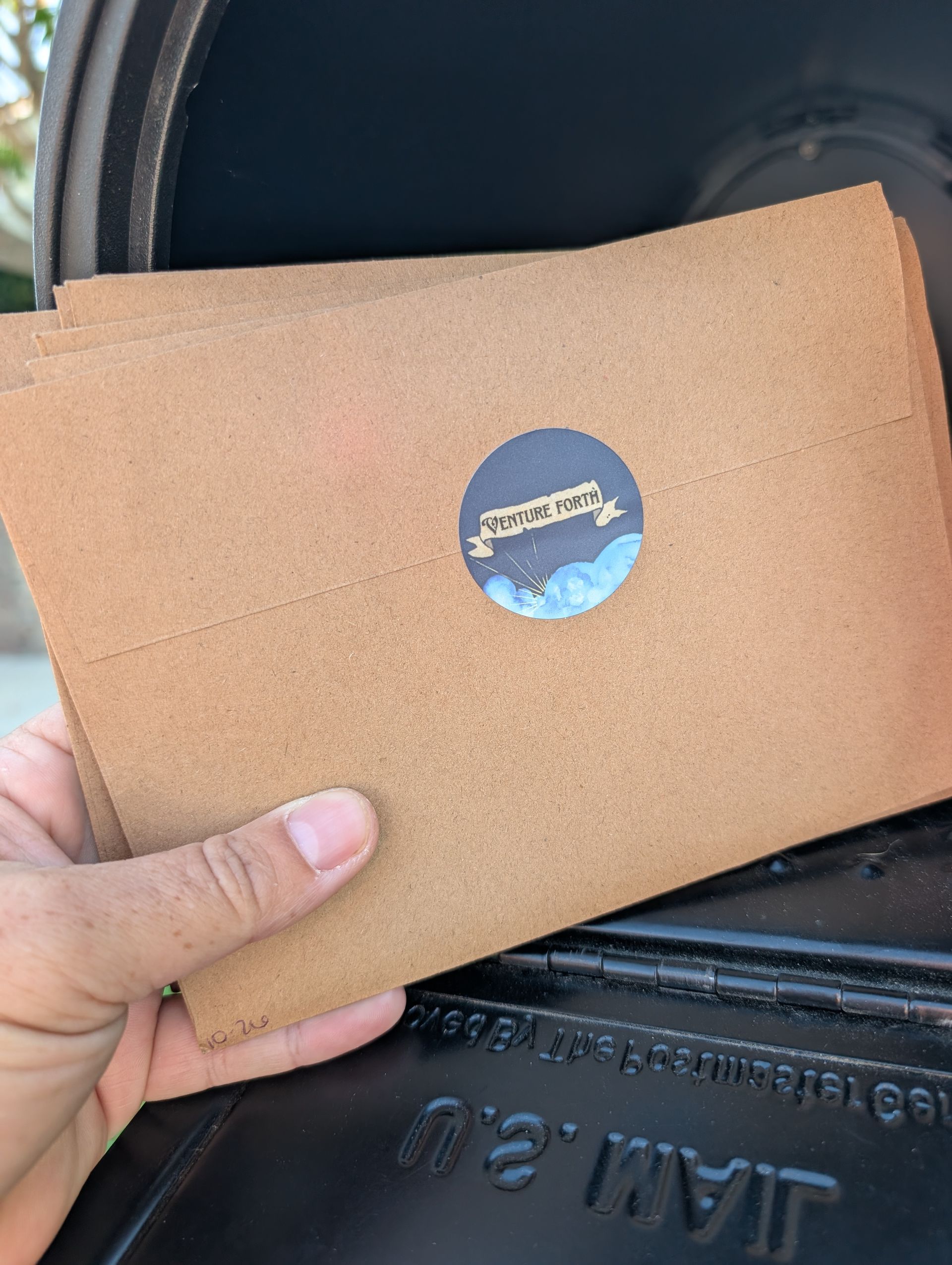
Each month, subscribers receive a beautifully curated envelope (a destination card, an object card, and a quest card - plus a play list to listen to while you adventure, a supportive letter from yours truly, and other little bits of playfulness). It's not a challenge. It's not a to-do list. It's closer to a friend saying: "Hey, want to come look at this interesting thing with me?"
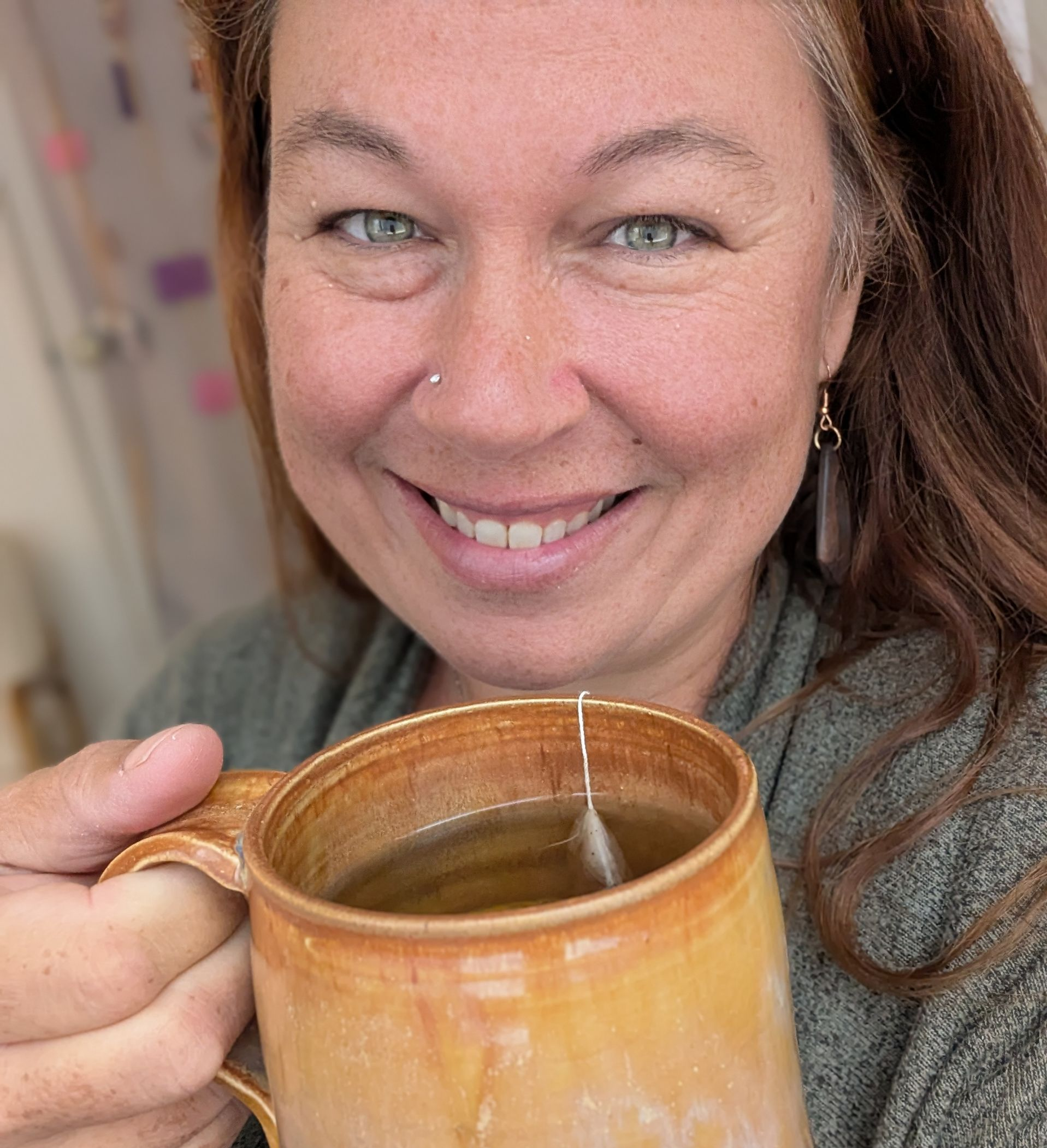
Roya Dedeaux is a Licensed Marriage and Family Therapist with a focus on using creative tools like art, writing, and recreation as a way to help teens and their families who don't quite fit the mold.
Roya is the author of Connect with Courage: practical ways to release fear and find joy in the places your kids take you, runs several art groups, and loves working both in her private and group practices! She is constantly creating new tools for more creatively, and even sells her original art on eBay under the name TheRecreative.
When she's not working she spends most of her time on a baseball field being a sportsball mama, and she loves to make messes with her three wild & wonderful kids where they live and play hard in Southern California.