How to Stop Being So Lonely When You Have Social Anxiety
How to Stop Being So Lonely When You Have Social Anxiety
"How do I get over my social anxiety and stop being so lonely?"
If you've typed something like that into a search bar late at night, I want you to know two things.
First, you're not weird or broken. I promise that hundreds of people have walked through my office doors with the same question. I know it feels like there’s something wrong with you, but there’s nothing the matter that we can’t work on. Sometimes there are genuine barriers to connecting with others, but you aren’t broken.
Second, there are small steps that can help. There are concrete things you can do to help this squishy bad feeling. Even better? You don't have to become a different person to take them.
I'm a licensed therapist, and I see this pattern often: you want connection, but the thought of talking to people feels exhausting or scary. So you stay home, which keeps the anxiety strong and the loneliness stronger. Then you feel more failure and less capable of going into a social situation the next time you have the opportunity. It's a frustrating loop.
Here's how to start loosening it.

1. Name the loop (without blaming yourself)
Loneliness and social anxiety feed each other. Anxiety says, "stay away from people," and loneliness grows. Then you feel worse, and it's even harder to reach out. Seeing this pattern can help you treat yourself with more kindness. You're not lazy. You're stuck in a loop, and loops can be interrupted.
2. Shrink the goal
"Make friends" is too big. Try tiny, low-risk contact instead:
- Say "hi" or "thanks" to a cashier.
- Make eye contact and smile at one person.
- Send a quick text, such as "thinking of you," to someone you already know.
- Reply to one post from someone you like.
These count. They are the first rungs of the ladder.
I often assign tasks like these to my clients. We start in your comfort zone - maybe a coffee shop or store you’ve been to a million times before. You get to go where you are comfortable, and take just one little step out of your comfort zone.
3. Go to the same place more than once
Most friendships begin with repeated, casual contact. Pick a place you can visit regularly, like a library, a café, a park, or a class. You don't have to talk to anyone at first. Becoming a familiar face lowers the pressure for both you and the people around you. Even as an adult this is how I make friends these days. I end up sitting next to the same parents at my kid’s sports practices, and so we start talking about something that’s in front of us. Repeat enough times and you get folks you invite over even when the season has ended!
4. Choose activities with built-in structure
Open-ended socializing is hard. Activities give you something to talk about and something to do with your hands. Consider:
- A class (art, fitness, language, cooking)
- A volunteer shift
- A book club or board game night
- A community group or a walking group
- Libraries are great free places to start with a huge number of activities.
I am a huge proponent of doing something with your hands, a shared goal, a task, or a purpose when you are gathering with others. It gives you something to do, talk about, and a reason to be there in the same place. Problem solving with someone else bonds you. It also gives you information about how they work and think and whether or not you want to pursue more connection with them.


5. Prepare one or two easy questions
Having a script reduces the panic. Try:
- "How long have you been coming here?"
- "What got you into this?"
- "Any tips for a beginner?"
Most people enjoy being asked. We often stress out about how we would answer questions, but really - folks want to talk about themselves a lot.
6. Keep a "proof I can" list
Each time you do something brave, however small, write it down. Anxiety is good at remembering failures and discounting wins. A list gives you evidence that you can do more than you think. Don’t just dismiss this one! Seriously, go get yourself a little notebook or open a notes app on your phone and start collecting. Your memory is not as reliable as you think when anxiety is trying its best to keep you safe in the status quo.
A playful nudge
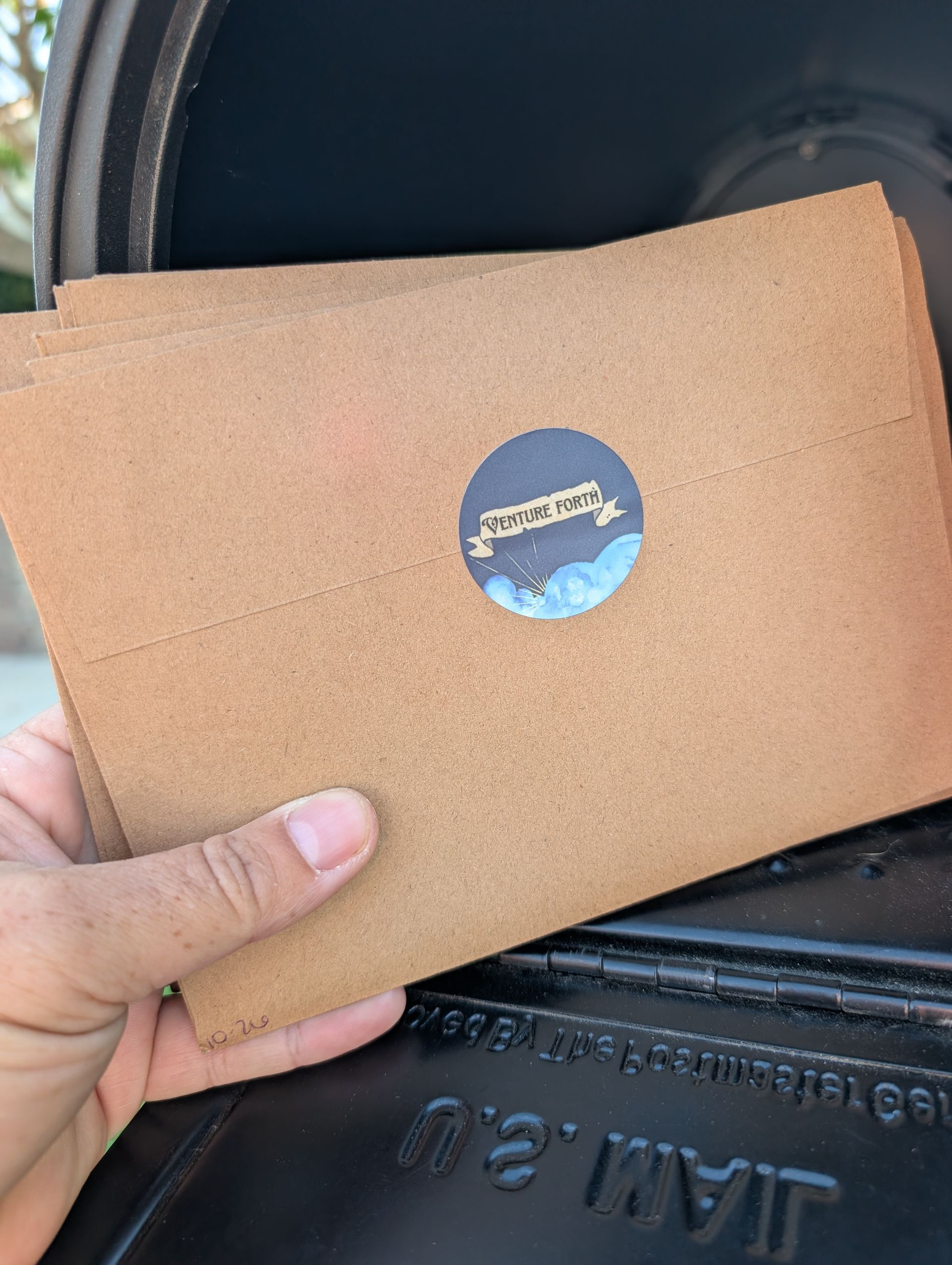
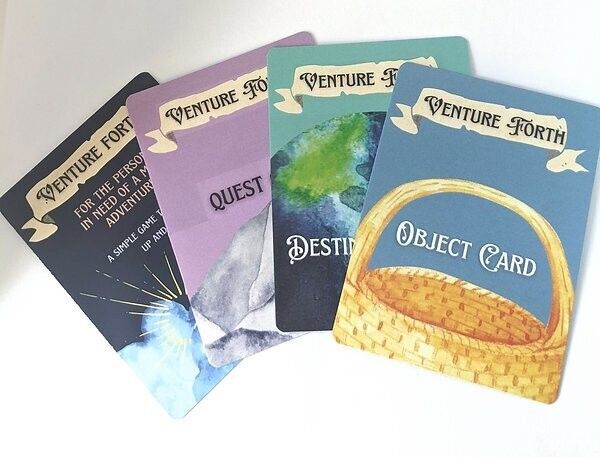
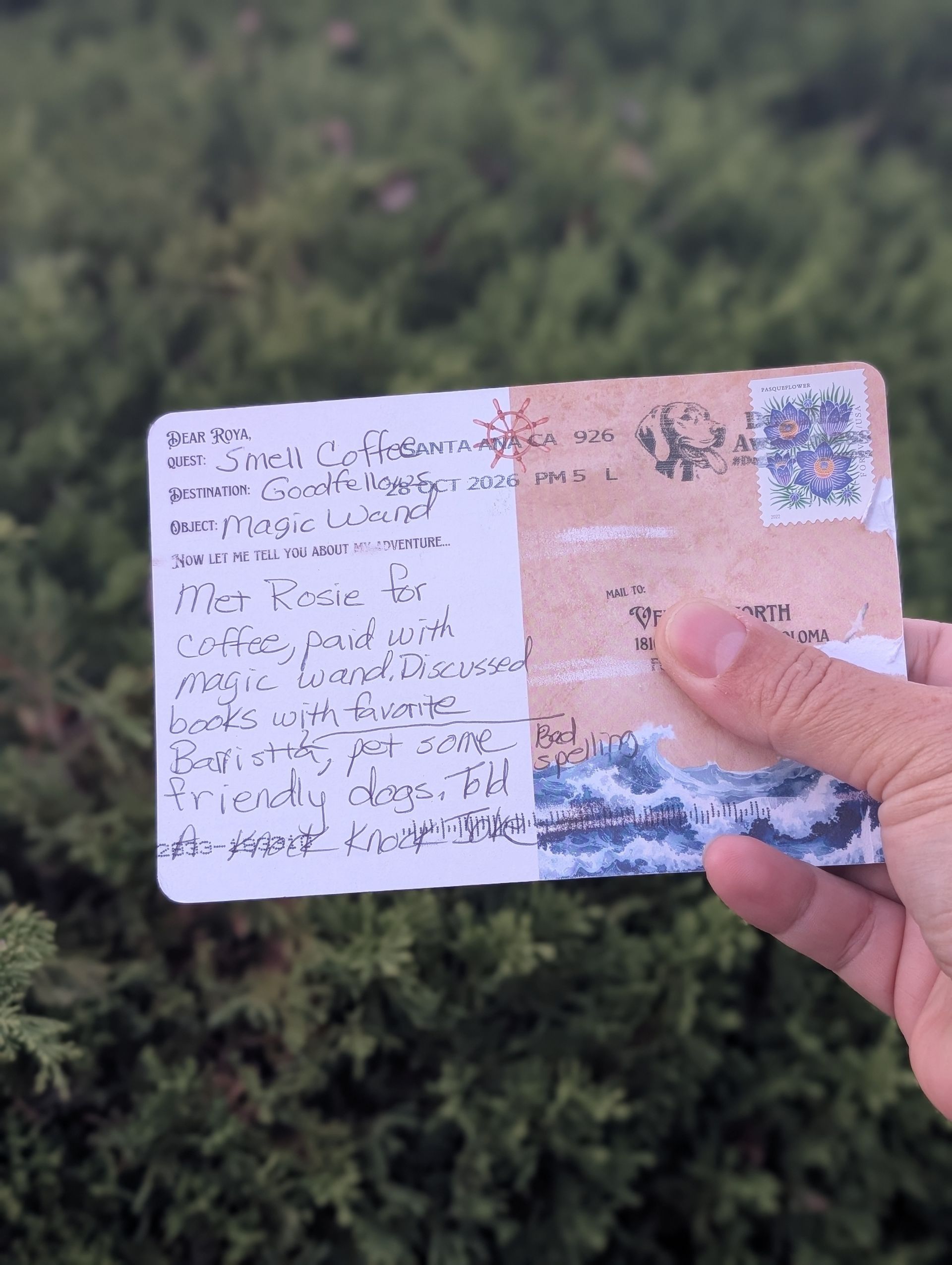
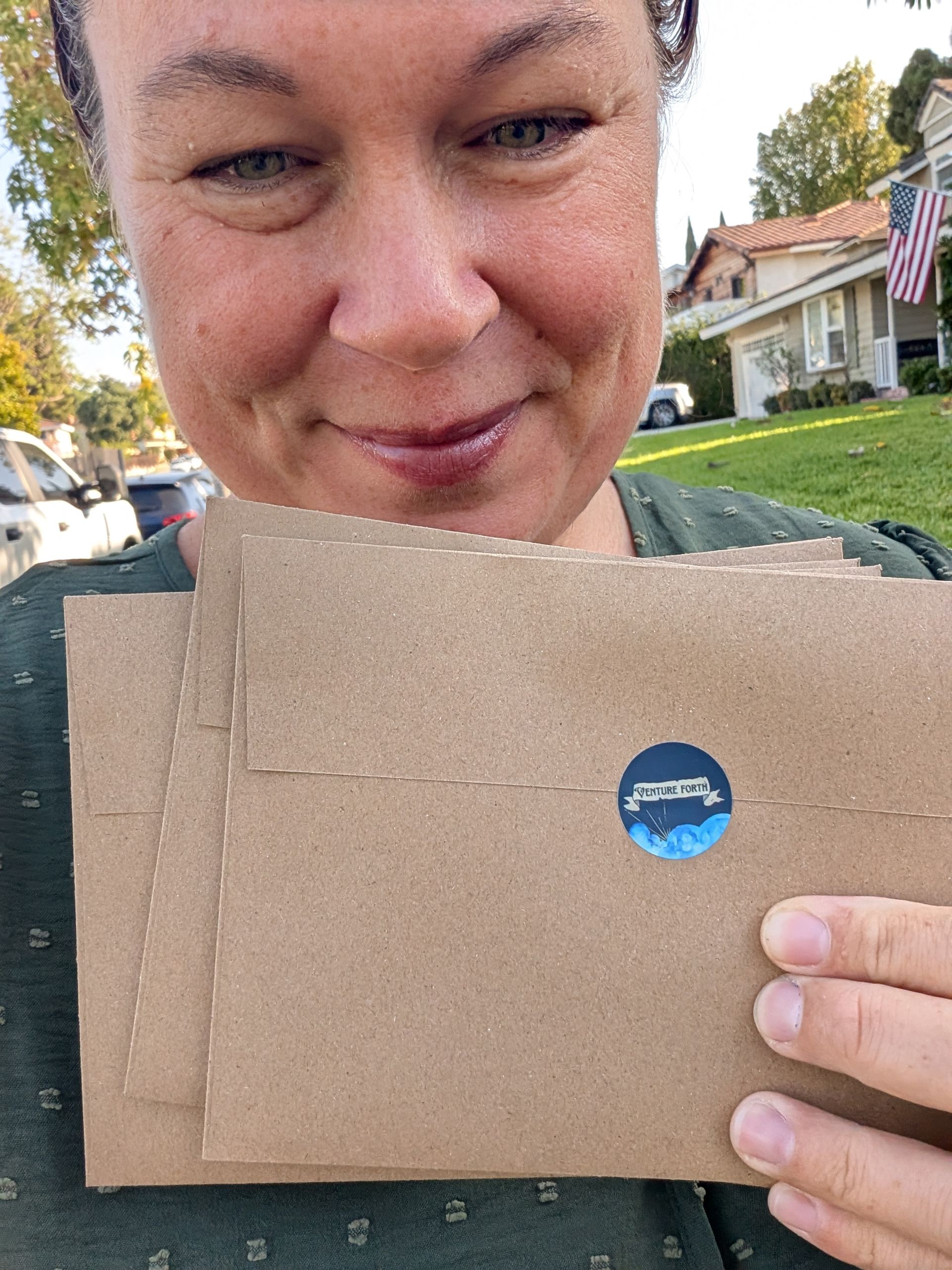
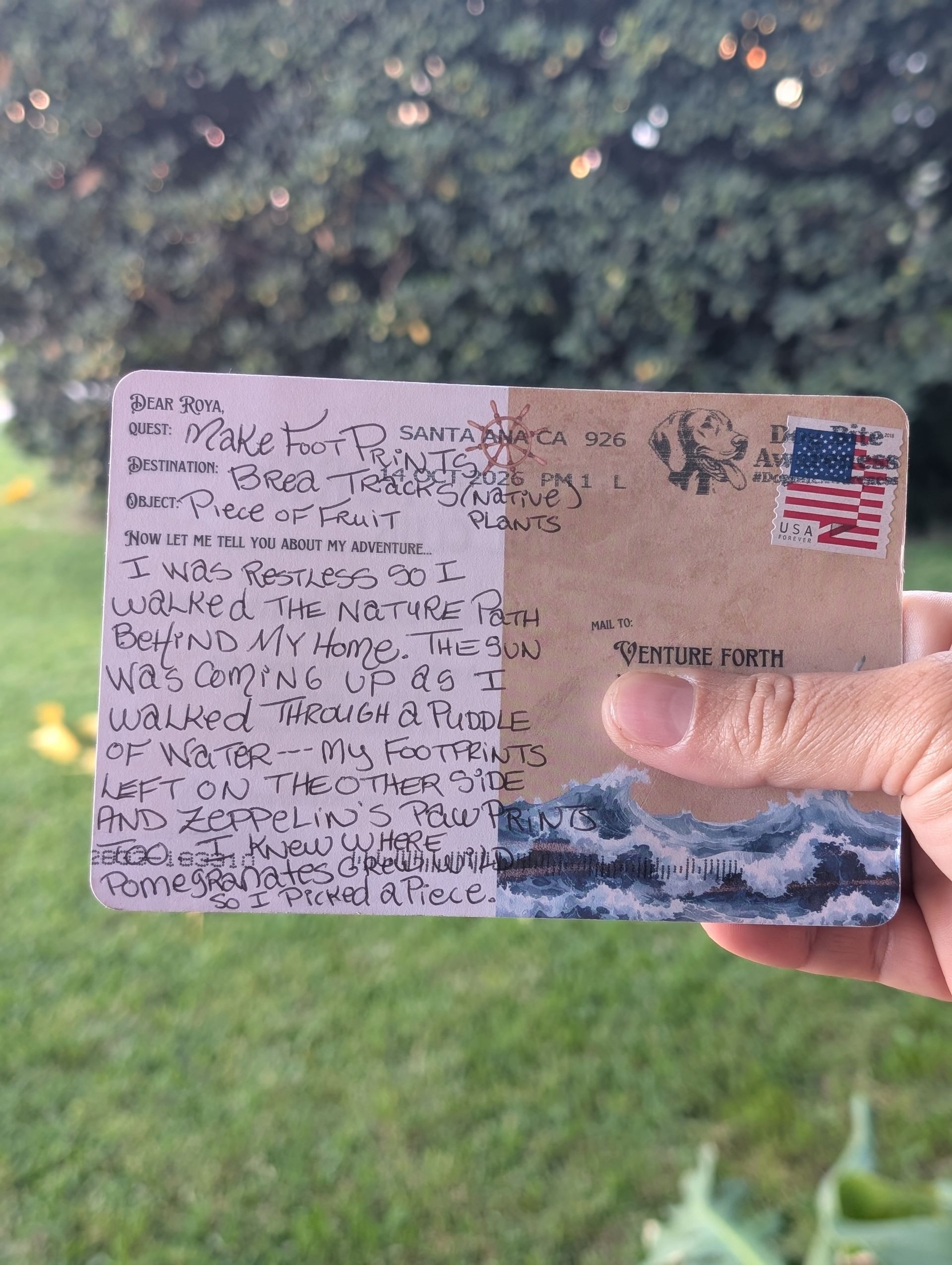
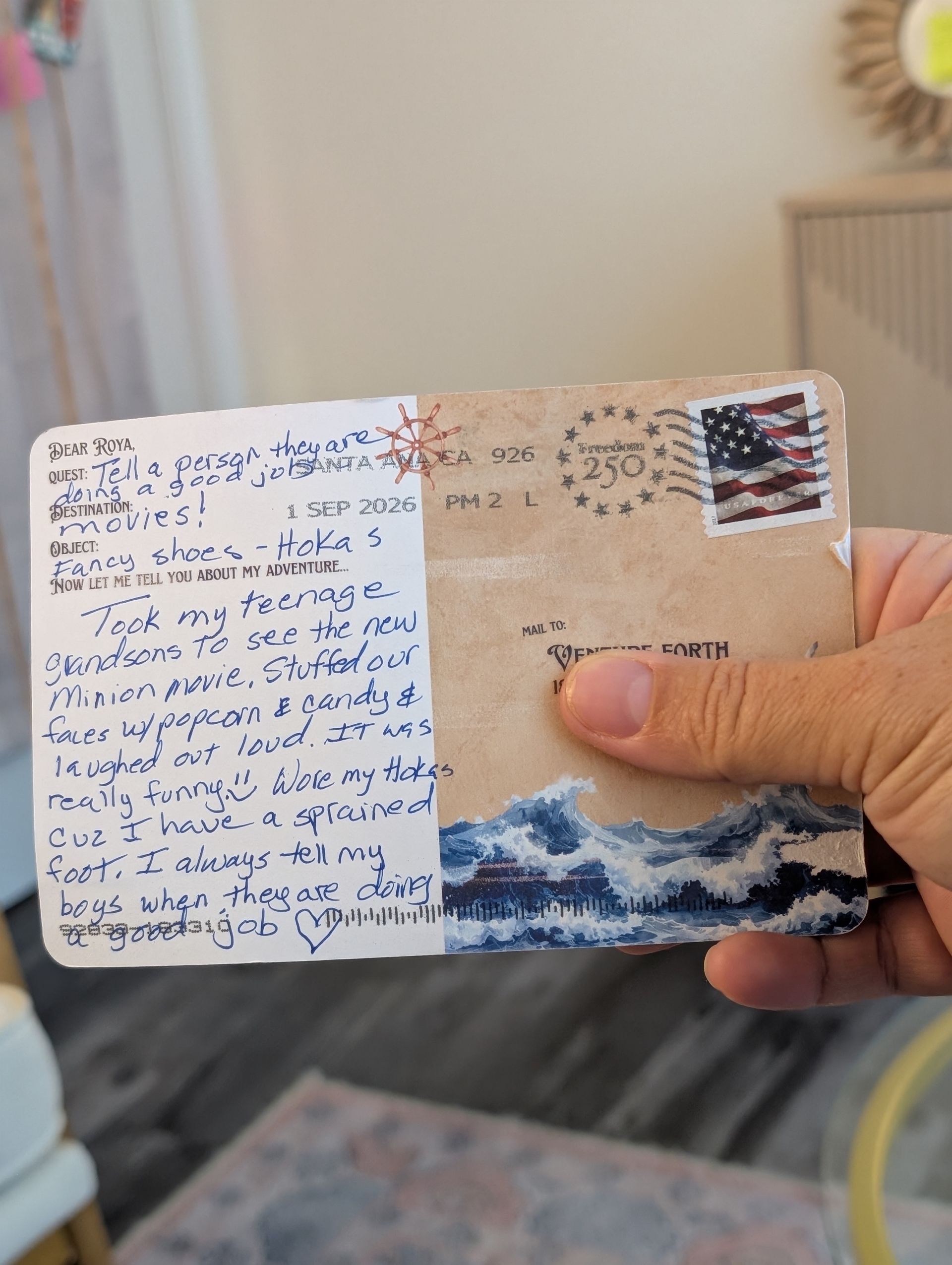
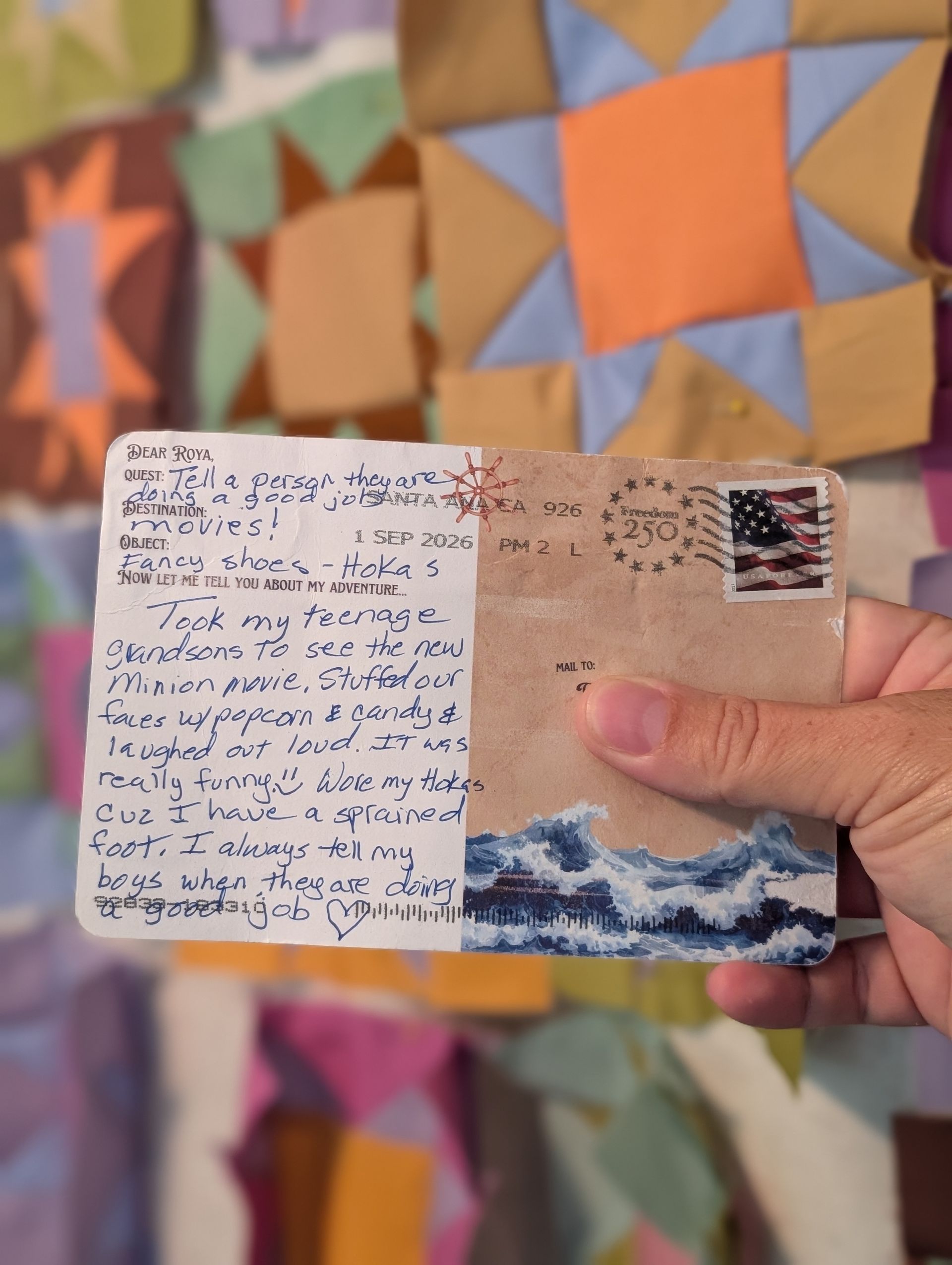
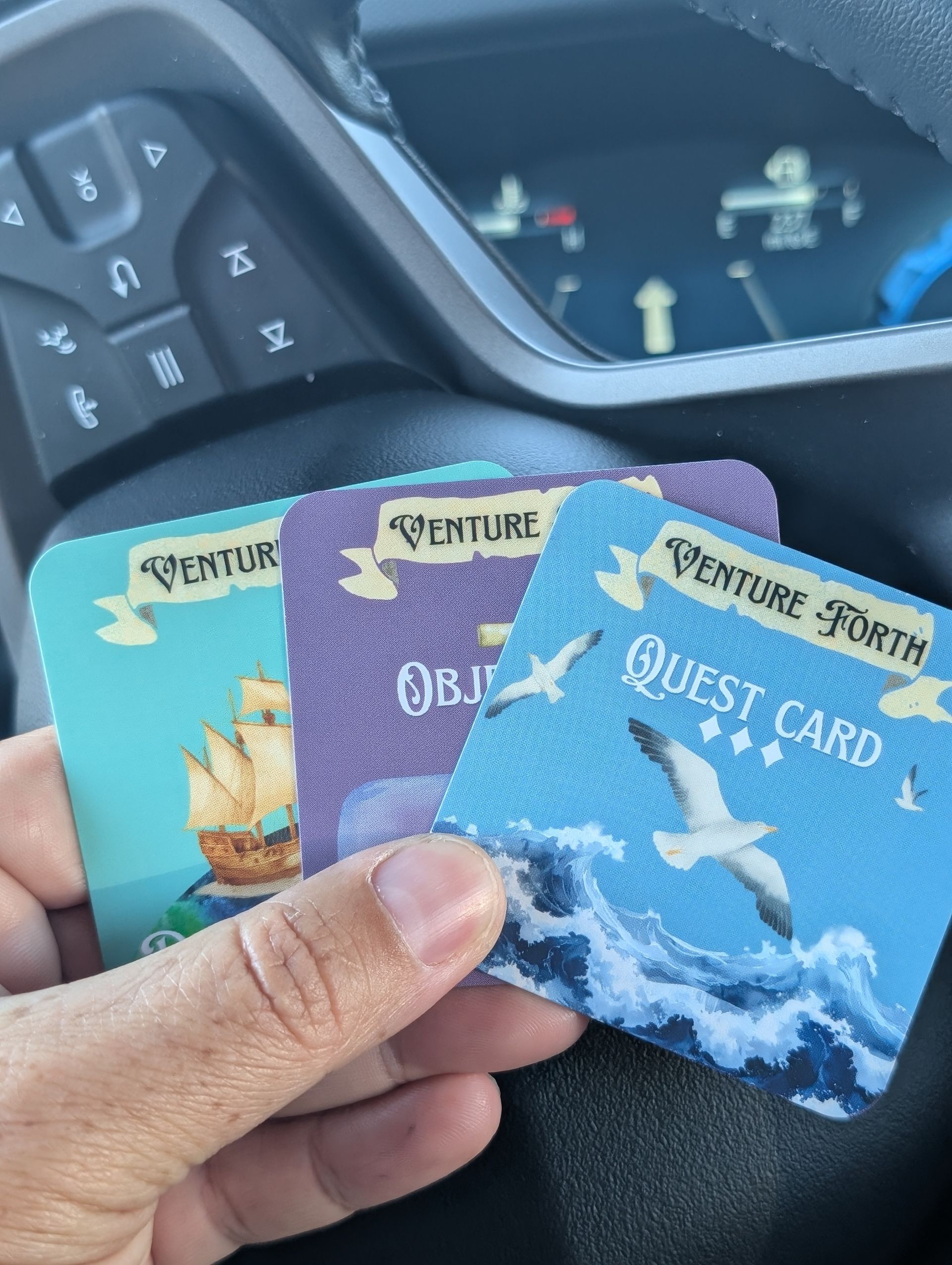
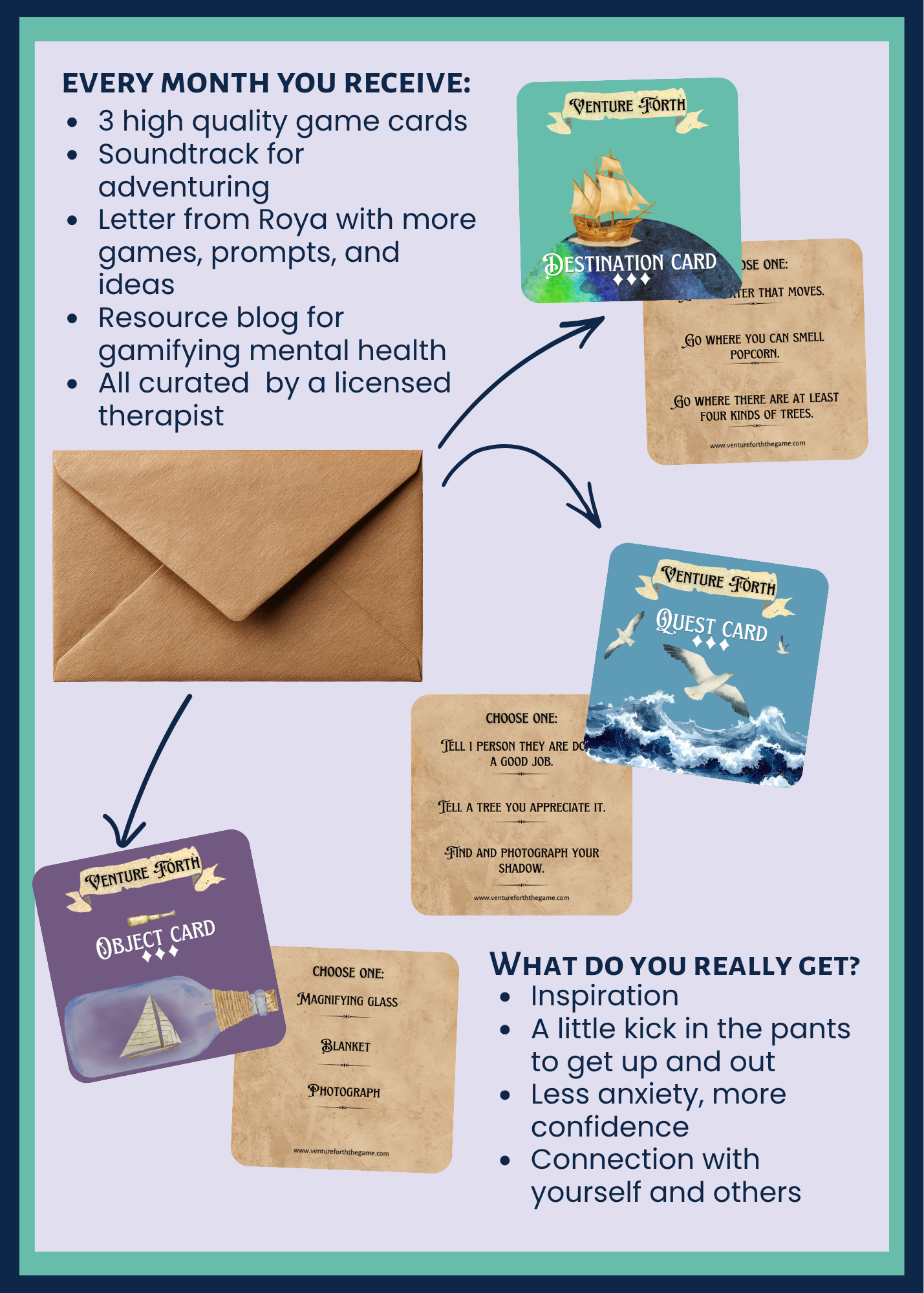
I created Venture Forth for people who know they feel better when they get out, but need a gentle push. Each monthly envelope includes a quest, a destination, and an object card, with three choices each, so you can pick the lowest-pressure version. There's also a postcard to mail back to me, so you're always connected to a real person. It’s kind of like penpal body doubling!
7. Expect imperfect days
You'll have days when you cancel, freeze, or go home early. That doesn't erase your progress. Try again with the same small step, or an even smaller one.
8. Consider extra support
If loneliness and anxiety are affecting your daily life, school, or work, a therapist can help. Check out
royadedeaux.com for the therapy side of what I do. And if you ever feel hopeless or unsafe, please reach out to a crisis line or emergency services right away.
Above all - Make it playful
This is why I created Venture Forth. Playfulness, creativity, and curiosity are the antidote to anxiety and depression. Take the first small step today and Download the free Venture Forth mini game here. And if you'd like to give a month (or three) of gentle nudges, click on the button below!
Venture Forth: a gentle nudge, not a challenge
When I created the Venture Forth Mail Club, I was thinking about exactly this. Not about people who need to be pushed to "do more,” but about people who want to reconnect with the world outside and need a low-stakes, playful, and supportive way to help them do it.
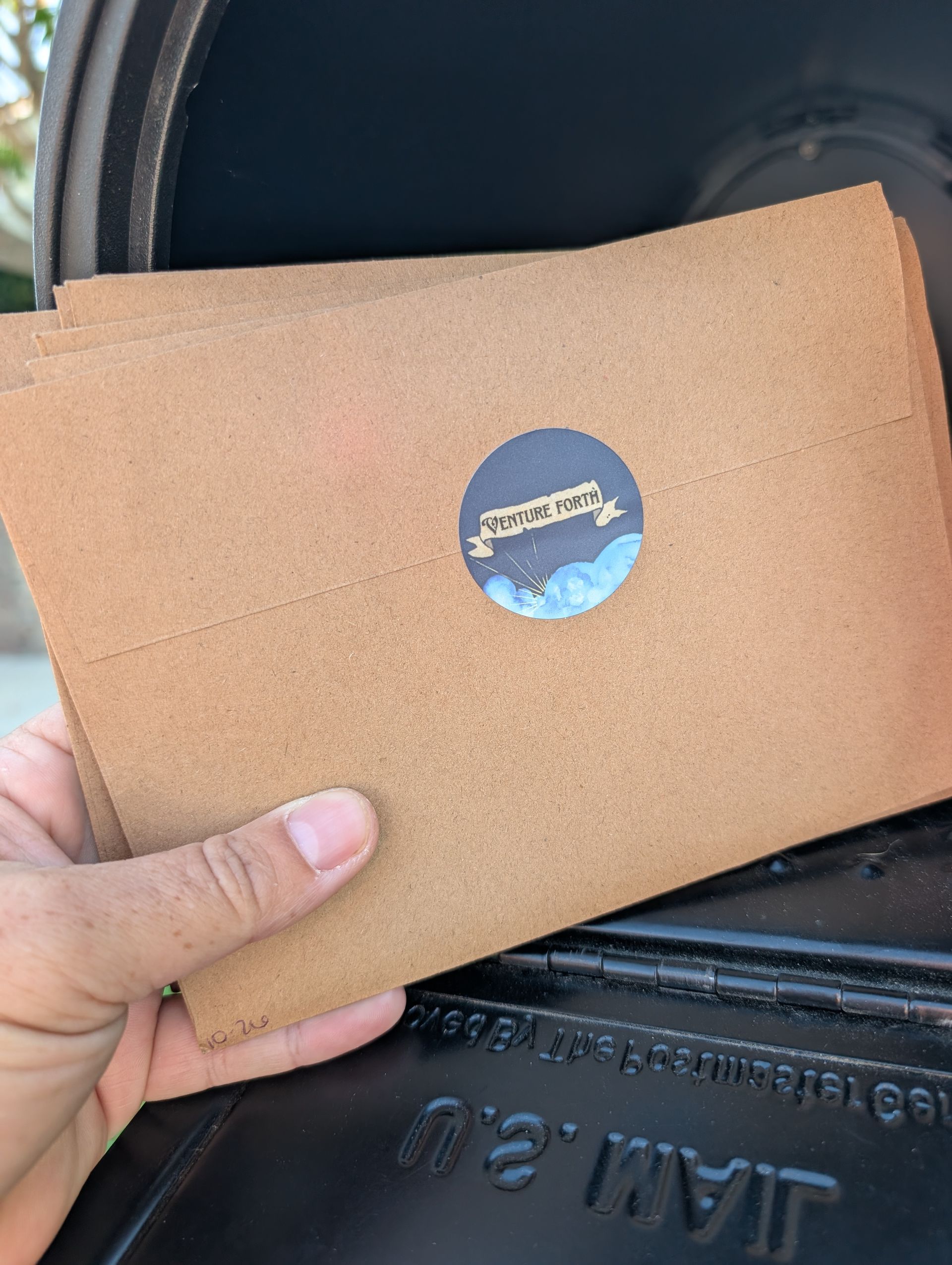
Each month, subscribers receive a beautifully curated envelope (a destination card, an object card, and a quest card - plus a play list to listen to while you adventure, a supportive letter from yours truly, and other little bits of playfulness). It's not a challenge. It's not a to-do list. It's closer to a friend saying: "Hey, want to come look at this interesting thing with me?"
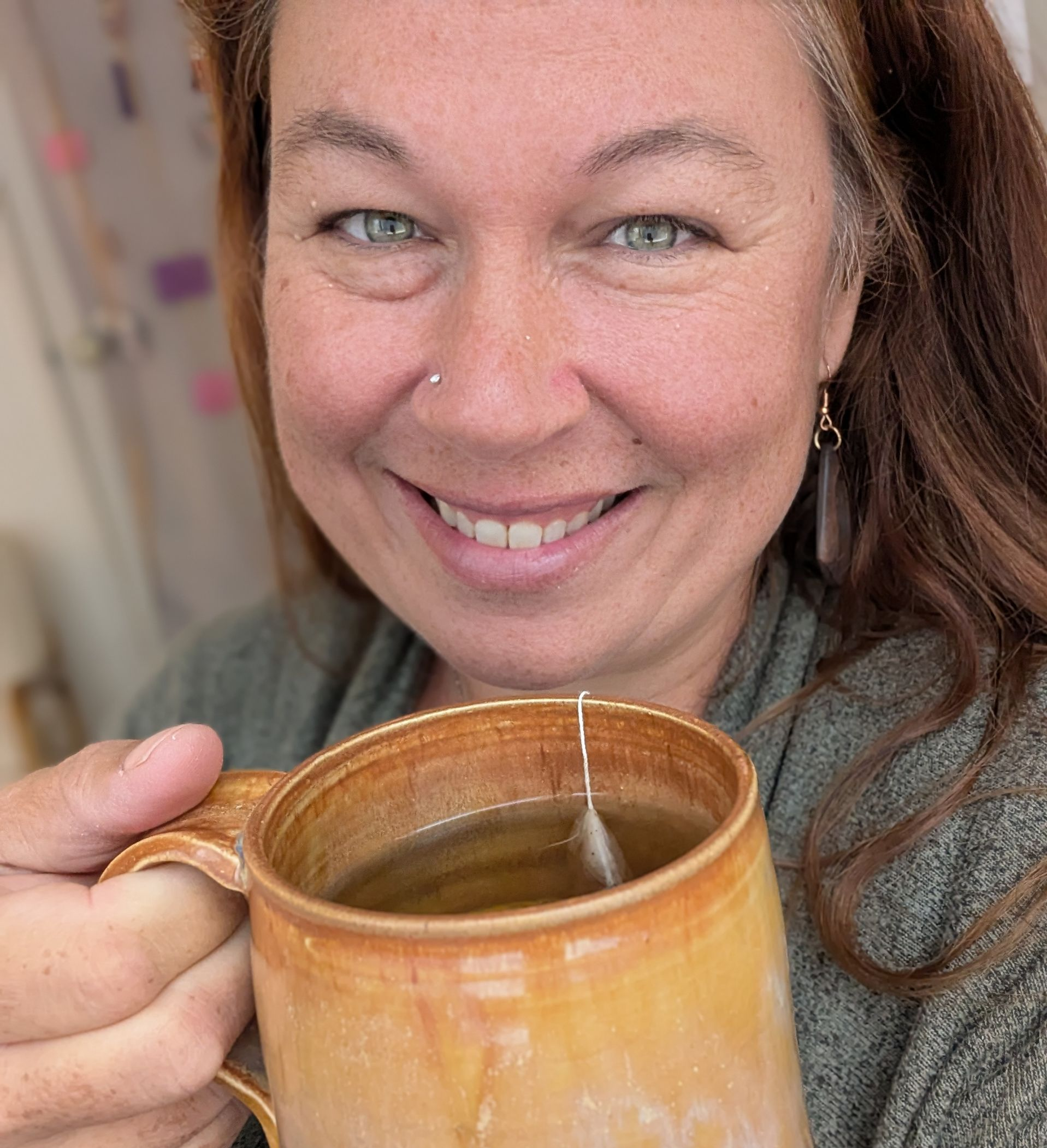
Roya Dedeaux is a Licensed Marriage and Family Therapist with a focus on using creative tools like art, writing, and recreation as a way to help teens and their families who don't quite fit the mold.
Roya is the author of Connect with Courage: practical ways to release fear and find joy in the places your kids take you, runs several art groups, and loves working both in her private and group practices! She is constantly creating new tools for more creatively, and even sells her original art on eBay under the name TheRecreative.
When she's not working she spends most of her time on a baseball field being a sportsball mama, and she loves to make messes with her three wild & wonderful kids where they live and play hard in Southern California.